How to integrate Jira using SSIS

Learn how to quickly and efficiently connect Jira with SSIS for smooth data access.
Read and write Jira data effortlessly. Track, manage, and automate issues, projects, worklogs, and comments — almost no coding required. You can do it all using the high-performance Jira Connector. We'll walk you through the entire setup.
Ready to dive in? Download the product to jump right in, or follow the step-by-step guide below to see how it works.
Video tutorial
Watch this quick video to see the integration in action. It walks you through the end-to-end setup, including:
- Installing the SSIS PowerPack
- Configuring a secure connection to Jira
- Working with Jira data directly inside SSIS
- Exploring advanced API Source features

Once you are done watching, simply follow the step-by-step written guide below to configure your data source.
Prerequisites
Before we begin, make sure the following prerequisites are met:
- SSIS designer installed. Sometimes it is referred as BIDS or SSDT (download it from Microsoft).
- Basic knowledge of SSIS package development using Microsoft SQL Server Integration Services.
- SSIS PowerPack is installed (if you are new to SSIS PowerPack, then get started!).
Read data from Jira in SSIS (Export data)
In this section we will learn how to configure and use Jira Connector in API Source to extract data from Jira.
-
Open Visual Studio and click Create a new project.
-
Select Integration Services Project. Enter a name and location for your project, then click OK.
-
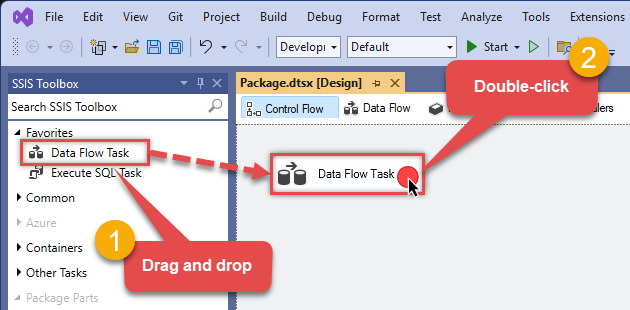
From the SSIS Toolbox, drag and drop a Data Flow Task onto the Control Flow surface, and double-click it:
-
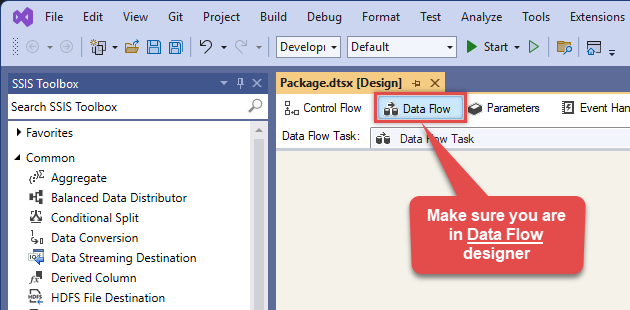
Make sure you are in the Data Flow Task designer:
-
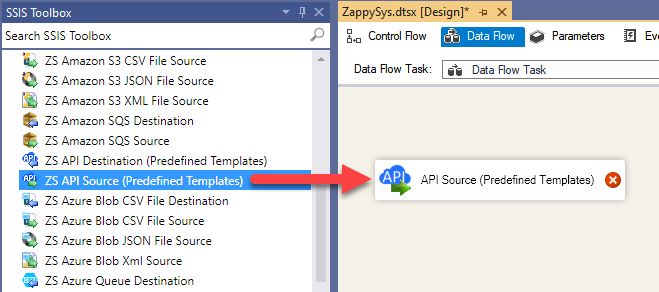
From the SSIS toolbox drag and API Source (Predefined Templates) on the data flow designer surface, and double click on it to edit it:
-
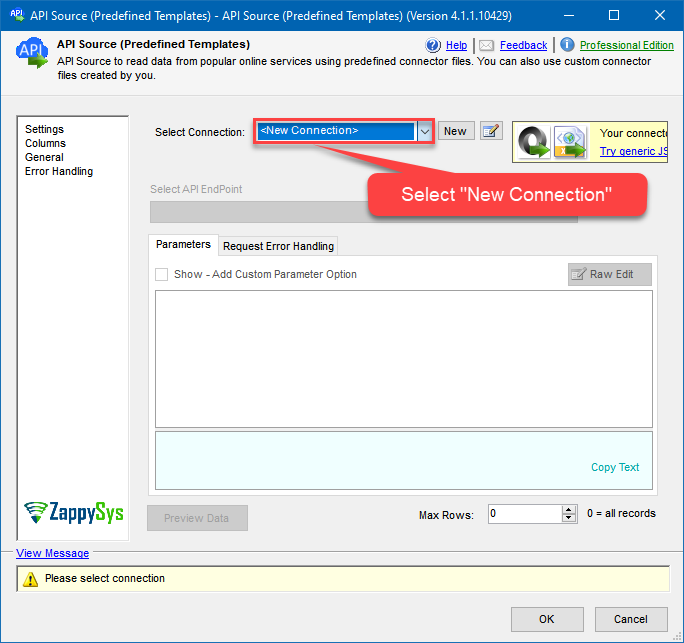
Select New Connection to create a new connection:
-
Use a preinstalled Jira Connector from Popular Connector List or press Search Online radio button to download Jira Connector. Once downloaded simply use it in the configuration:
Jira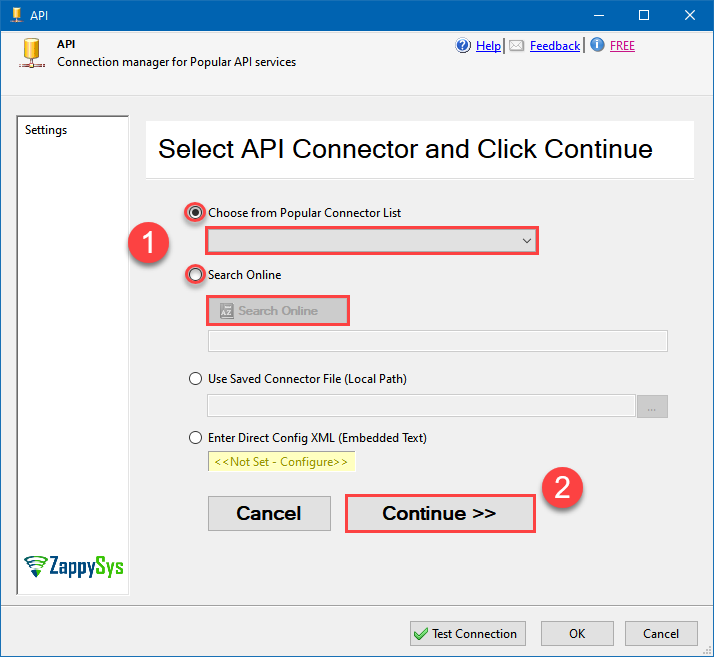
-
Select your authentication scenario below to expand connection configuration steps to:
- Configure the authentication in Jira.
- Enter those details into the API Connection Manager configuration.
Jira authentication
Firstly, login into your Atlassian account and then go to your Jira profile:- Go to Profile > Security.
- Click Create and manage API tokens.
- Then click Create API token button and give your token a label.
- When window appears with new API token, copy and use it in this connection manager.
- That's it!
API Connection Manager configuration
Just perform these simple steps to finish authentication configuration:
-
Set Authentication Type to
API Key based Authentication [Http] - Optional step. Modify API Base URL if needed (in most cases default will work).
- Fill in all the required parameters and set optional parameters if needed.
- Finally, hit OK button:
JiraAPI Key based Authentication [Http]https://[$Subdomain$].atlassian.net/rest/api/3Required Parameters Subdomain Fill-in the parameter... Atlassian User Name (email) Fill-in the parameter... API Key Fill-in the parameter... Optional Parameters CustomColumnsRegex RetryMode RetryWhenStatusCodeMatch RetryStatusCodeList 429 RetryCountMax 5 RetryMultiplyWaitTime True 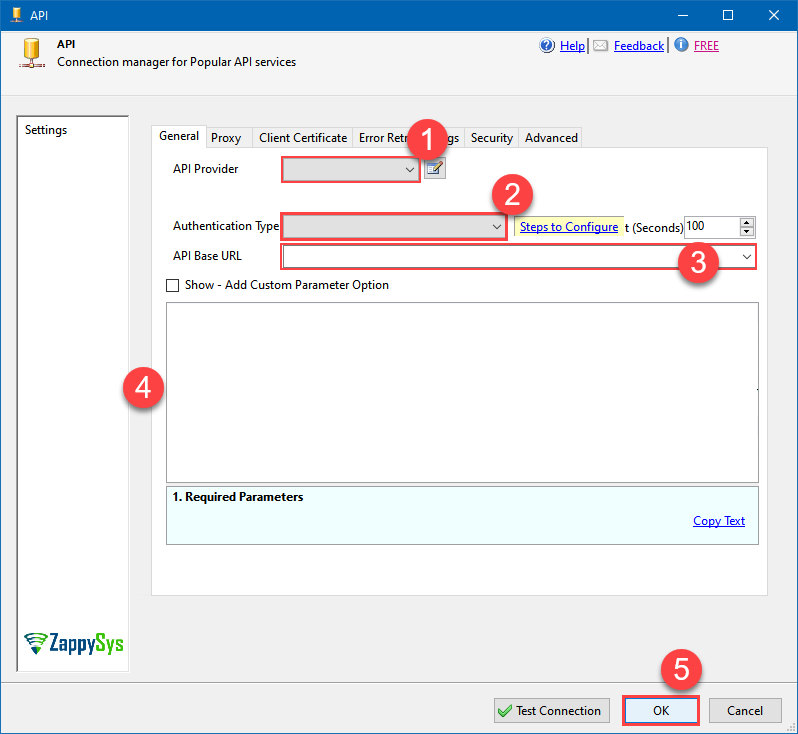 Find full details in the Jira Connector authentication reference.
Jira authentication
Follow official Atlassian instructions on how to create a PAT (Personal Access Token) for JIRAAPI Connection Manager configuration
Just perform these simple steps to finish authentication configuration:
-
Set Authentication Type to
Personal Access Token (PAT) Authentication [Http] - Optional step. Modify API Base URL if needed (in most cases default will work).
- Fill in all the required parameters and set optional parameters if needed.
- Finally, hit OK button:
JiraPersonal Access Token (PAT) Authentication [Http]https://[$Subdomain$].atlassian.net/rest/api/3Required Parameters Subdomain Fill-in the parameter... Token (PAT Bearer Token) Fill-in the parameter... Optional Parameters CustomColumnsRegex RetryMode RetryWhenStatusCodeMatch RetryStatusCodeList 429 RetryCountMax 5 RetryMultiplyWaitTime True
Find full details in the Jira Connector authentication reference.Jira authentication
OAuth App must be created in Atlassian Developer Console. It is found at https://developer.atlassian.com/console/myapps/ [API reference]
Firstly, login into your Atlassian account and then create Jira application:- Go to Atlassian Developer area.
-
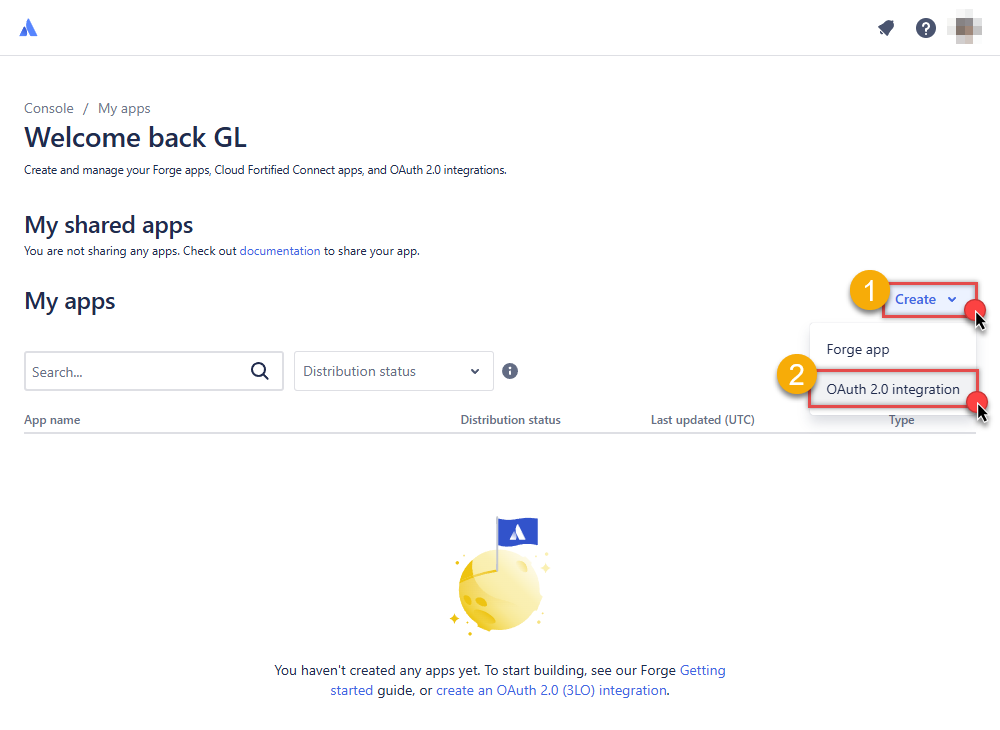
Click Create and select OAuth 2.0 integration item to create an OAuth app:
-
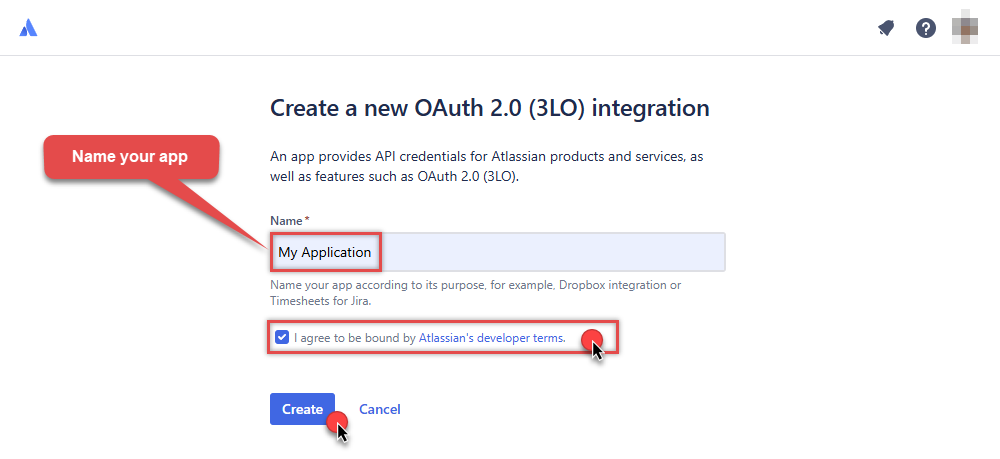
Give your app a name, accept the terms and hit Create:
-
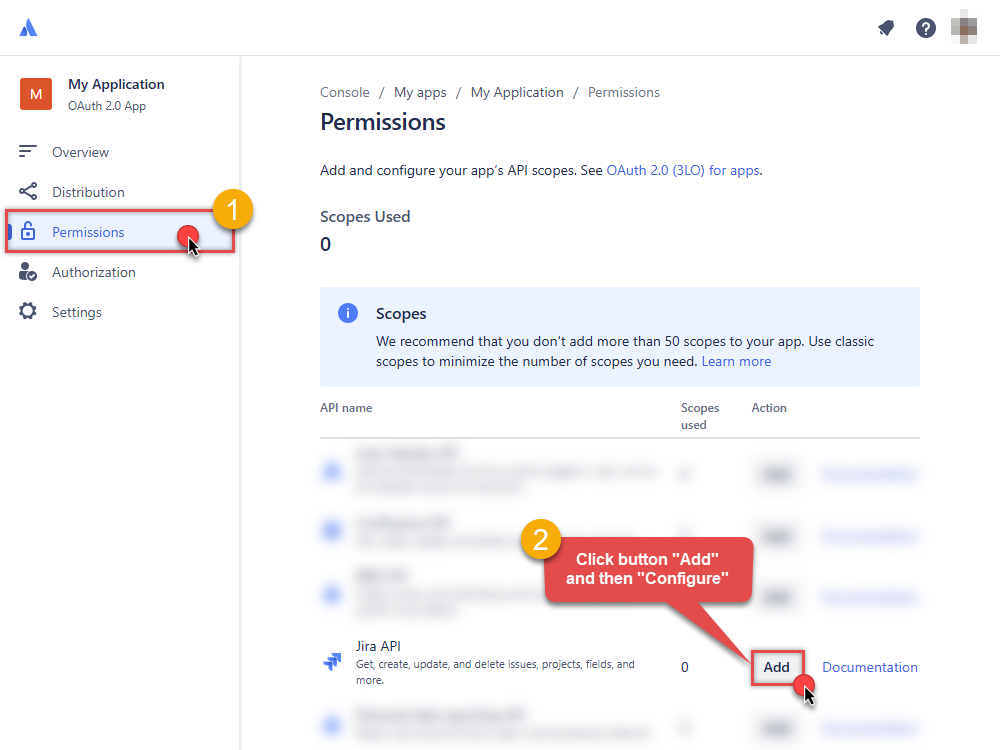
To enable permissions/scopes for your application, click Permissions tab, then hit Add button, and click Configure button, once it appears:
-
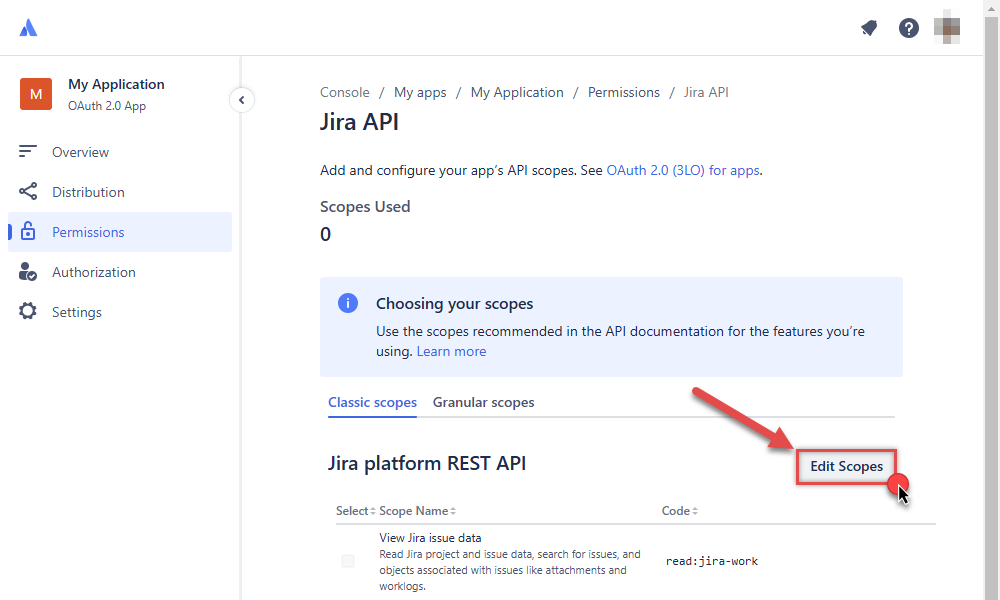
Continue by hitting Edit Scopes button to assign scopes for the application:
-
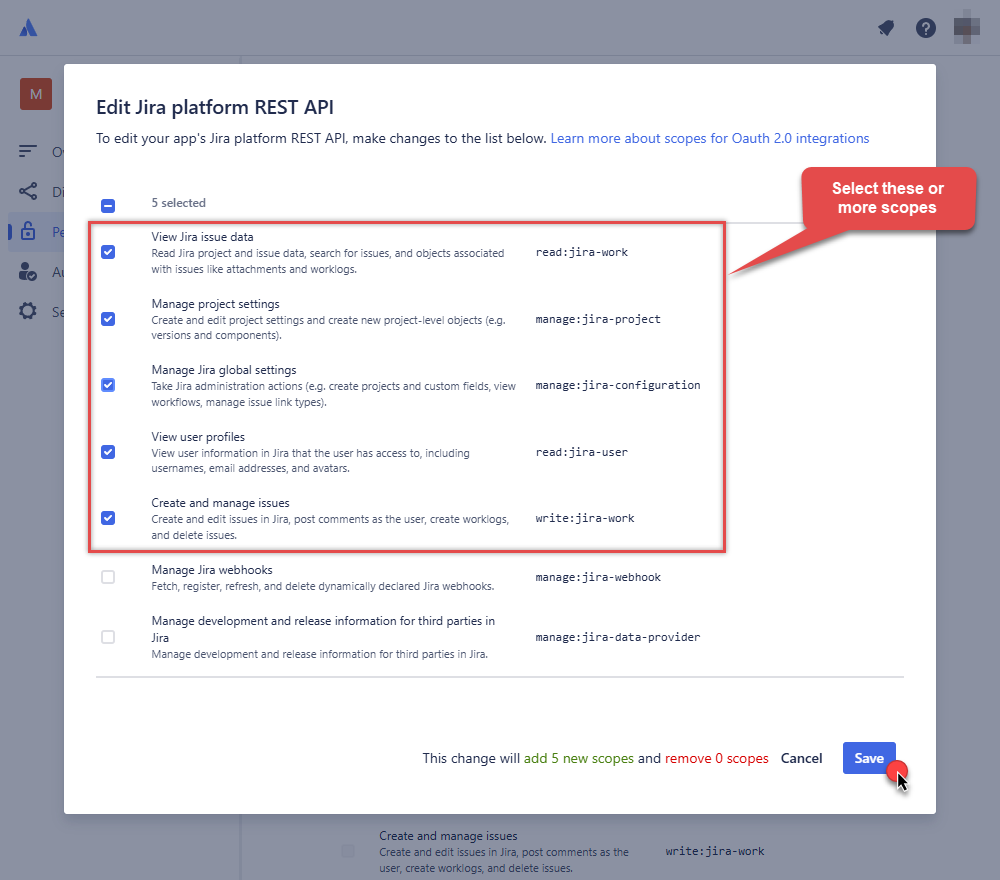
Select these scopes or all of them:
-
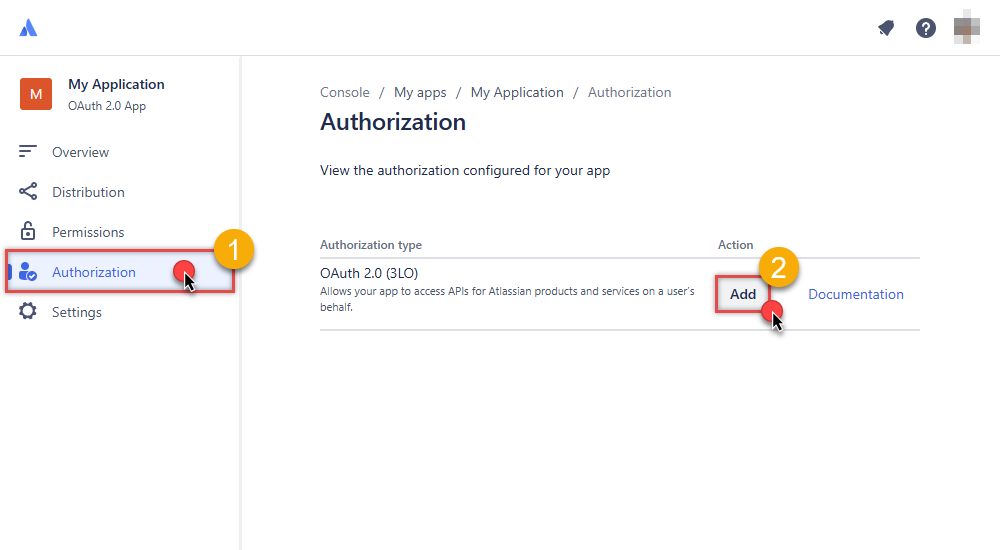
Then click Authorization option on the left and click Add button:
-
Enter your own Callback URL (Redirect URL) or simply enter
https://zappysys.com/oauth, if you don't have one: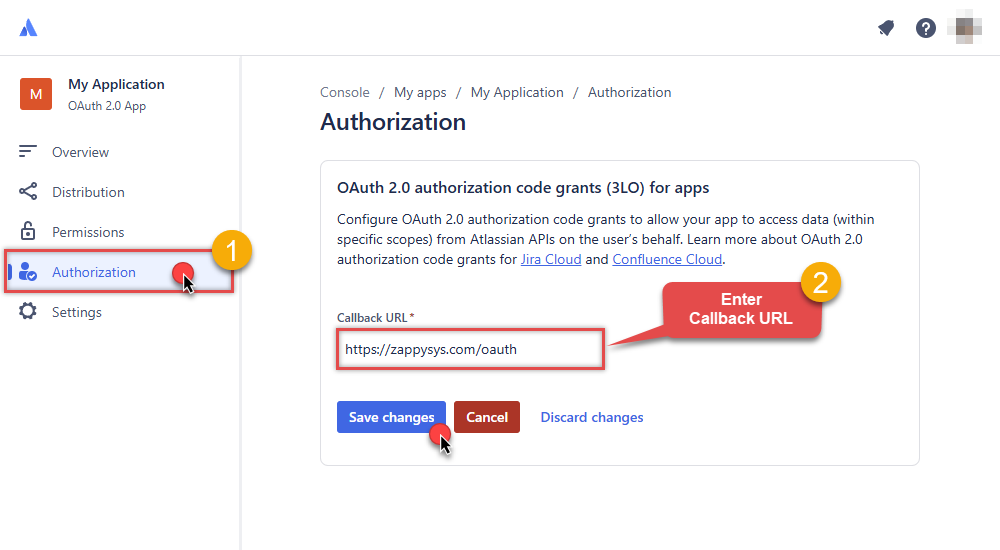
-
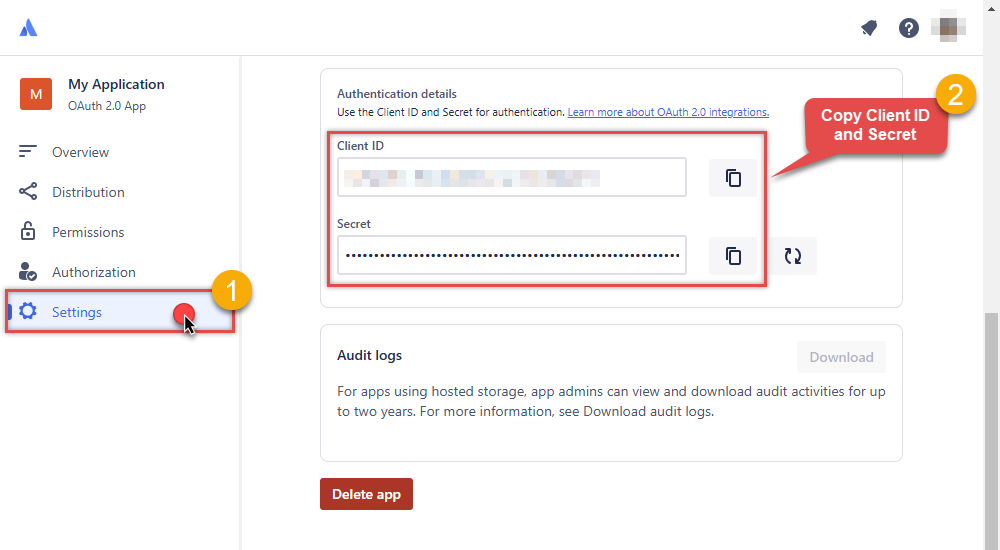
Then hit Settings option and copy Client ID and Secret into your favorite text editor (we will need them in the next step):
-
Now go to SSIS package or ODBC data source and in OAuth authentication set these parameters:
- For ClientId parameter use Client ID value from the previous steps.
- For ClientSecret parameter use Secret value from the previous steps.
- For Scope parameter use the Scopes you set previously (specify them all here):
- offline_access (a must)
- read:jira-user
- read:jira-work
- write:jira-work
- manage:jira-project
- manage:jira-configuration
NOTE: A full list of available scopes is available in Atlassian documentation. -
For Subdomain parameter use your Atlassian subdomain value
(e.g.
mycompany, if full host name ismycompany.atlassian.net).
- Click Generate Token to generate tokens.
- Finally, select Organization Id from the drop down.
- That's it! You can now use Jira Connector!
API Connection Manager configuration
Just perform these simple steps to finish authentication configuration:
-
Set Authentication Type to
OAuth (**Must change API Base URL to V3 OAuth**) [OAuth] - Optional step. Modify API Base URL if needed (in most cases default will work).
- Fill in all the required parameters and set optional parameters if needed.
- Press Generate Token button to generate the tokens.
- Finally, hit OK button:
JiraOAuth (**Must change API Base URL to V3 OAuth**) [OAuth]https://[$Subdomain$].atlassian.net/rest/api/3Required Parameters ClientId Fill-in the parameter... ClientSecret Fill-in the parameter... Scope Fill-in the parameter... ReturnUrl Fill-in the parameter... Organization Id (Select after clicking [Generate Token]) Fill-in the parameter... Optional Parameters Custom Columns for output (Select after clicking [Generate Token]) RetryMode RetryWhenStatusCodeMatch RetryStatusCodeList 429 RetryCountMax 5 RetryMultiplyWaitTime True 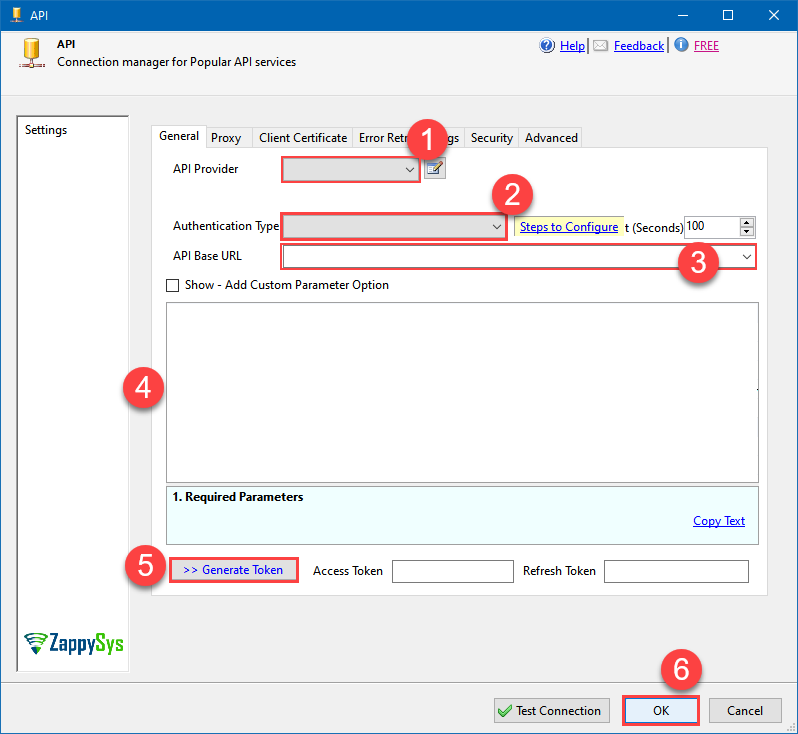 Find full details in the Jira Connector authentication reference.
 -
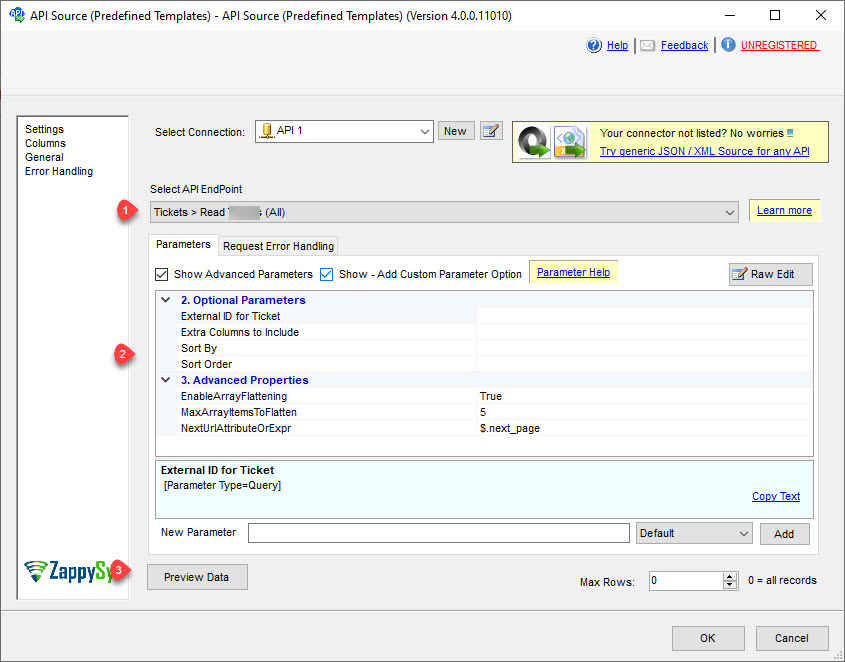
Select the desired endpoint, change/pass the properties values, and click on Preview Data button to make the API call.
API Source - JiraRead and write Jira data effortlessly. Track, manage, and automate issues, projects, worklogs, and comments — almost no coding required.
-
That's it! We are done! Just in a few clicks we configured the call to Jira using Jira Connector.
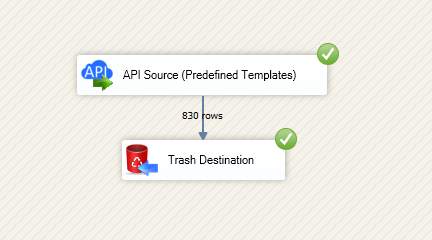
You can load the source data into your desired destination using the Upsert Destination , which supports SQL Server, PostgreSQL, and Amazon Redshift. We also offer other destinations such as CSV , Excel , Azure Table , Salesforce , and more . You can check out our SSIS PowerPack Tasks and components for more options. (*loaded in Trash Destination)
Write data to Jira using SSIS (Import data)
In this section we will learn how to configure and use Jira Connector in the API Destination to write data to Jira.
Video tutorial
This video covers following and more so watch carefully. After watching this video follow the steps described in this article.
- How to download SSIS PowerPack for Jira integration in SSIS
- How to configure connection for Jira
- How to write or lookup data to Jira
- Features about SSIS API Destination
- Using Jira Connector in SSIS

Step-by-step instructions
In upper section we learned how to read data, now in this section we will learn how to configure Jira in the API Source to POST data to the Jira.
-
Open Visual Studio and click Create a new project.
-
Select Integration Services Project. Enter a name and location for your project, then click OK.
-
From the SSIS Toolbox, drag and drop a Data Flow Task onto the Control Flow surface, and double-click it:
-
Make sure you are in the Data Flow Task designer:
-
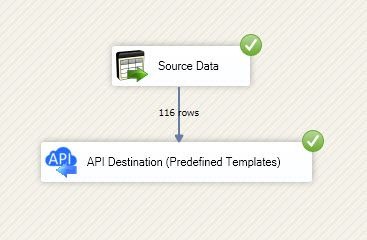
Read the data from the source, using any desired source component. You can even make an API call using the ZappySys JSON/XML/API Source and read data from there. In this example, we will use an OLE DB Source component to read real-time data from a SQL Server database.
-
From the SSIS Toolbox drag and drop API Destination (Predefined Templates) on the Data Flow Designer surface and connect source component with it, and double click to edit it.
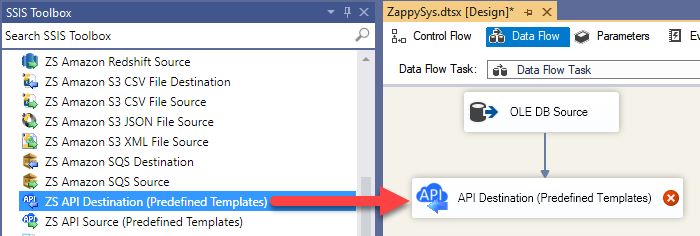
-
Select New Connection to create a new connection:
API Destination - JiraRead and write Jira data effortlessly. Track, manage, and automate issues, projects, worklogs, and comments — almost no coding required.
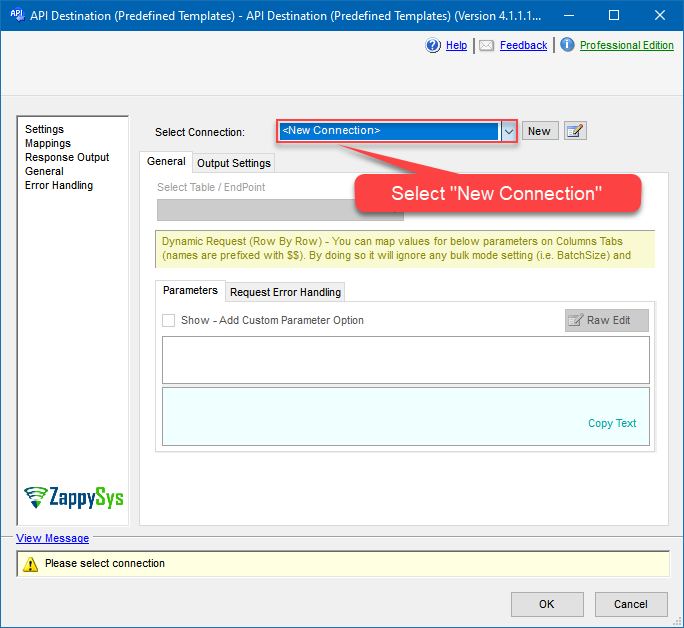
-
To configure the Jira connector, choose one of the following methods:
- Choose from Popular Connector List: Select a pre-installed service directly from the dropdown menu.
- Search Online: Use this to find and download a new connector file to your computer.
- Use Saved/Downloaded File: Once the file is downloaded, browse your local drive to load it into the configuration.
After that, just click Continue >>:
Jira
-
Proceed with selecting the desired Authentication Type. Then select API Base URL (in most cases default one is the right one). Finally, fill in all the required parameters and set optional parameters if needed. You may press a link Steps to Configure which will help set certain parameters. More info is available in Authentication section.
Jira authentication
Firstly, login into your Atlassian account and then go to your Jira profile:- Go to Profile > Security.
- Click Create and manage API tokens.
- Then click Create API token button and give your token a label.
- When window appears with new API token, copy and use it in this connection manager.
- That's it!
API Connection Manager configuration
Just perform these simple steps to finish authentication configuration:
-
Set Authentication Type to
API Key based Authentication [Http] - Optional step. Modify API Base URL if needed (in most cases default will work).
- Fill in all the required parameters and set optional parameters if needed.
- Finally, hit OK button:
JiraAPI Key based Authentication [Http]https://[$Subdomain$].atlassian.net/rest/api/3Required Parameters Subdomain Fill-in the parameter... Atlassian User Name (email) Fill-in the parameter... API Key Fill-in the parameter... Optional Parameters CustomColumnsRegex RetryMode RetryWhenStatusCodeMatch RetryStatusCodeList 429 RetryCountMax 5 RetryMultiplyWaitTime True
Find full details in the Jira Connector authentication reference.Jira authentication
Follow official Atlassian instructions on how to create a PAT (Personal Access Token) for JIRAAPI Connection Manager configuration
Just perform these simple steps to finish authentication configuration:
-
Set Authentication Type to
Personal Access Token (PAT) Authentication [Http] - Optional step. Modify API Base URL if needed (in most cases default will work).
- Fill in all the required parameters and set optional parameters if needed.
- Finally, hit OK button:
JiraPersonal Access Token (PAT) Authentication [Http]https://[$Subdomain$].atlassian.net/rest/api/3Required Parameters Subdomain Fill-in the parameter... Token (PAT Bearer Token) Fill-in the parameter... Optional Parameters CustomColumnsRegex RetryMode RetryWhenStatusCodeMatch RetryStatusCodeList 429 RetryCountMax 5 RetryMultiplyWaitTime True
Find full details in the Jira Connector authentication reference.Jira authentication
OAuth App must be created in Atlassian Developer Console. It is found at https://developer.atlassian.com/console/myapps/ [API reference]
Firstly, login into your Atlassian account and then create Jira application:- Go to Atlassian Developer area.
-
Click Create and select OAuth 2.0 integration item to create an OAuth app:
-
Give your app a name, accept the terms and hit Create:
-
To enable permissions/scopes for your application, click Permissions tab, then hit Add button, and click Configure button, once it appears:
-
Continue by hitting Edit Scopes button to assign scopes for the application:
-
Select these scopes or all of them:
-
Then click Authorization option on the left and click Add button:
-
Enter your own Callback URL (Redirect URL) or simply enter
https://zappysys.com/oauth, if you don't have one:
-
Then hit Settings option and copy Client ID and Secret into your favorite text editor (we will need them in the next step):
-
Now go to SSIS package or ODBC data source and in OAuth authentication set these parameters:
- For ClientId parameter use Client ID value from the previous steps.
- For ClientSecret parameter use Secret value from the previous steps.
- For Scope parameter use the Scopes you set previously (specify them all here):
- offline_access (a must)
- read:jira-user
- read:jira-work
- write:jira-work
- manage:jira-project
- manage:jira-configuration
NOTE: A full list of available scopes is available in Atlassian documentation. -
For Subdomain parameter use your Atlassian subdomain value
(e.g.
mycompany, if full host name ismycompany.atlassian.net).
- Click Generate Token to generate tokens.
- Finally, select Organization Id from the drop down.
- That's it! You can now use Jira Connector!
API Connection Manager configuration
Just perform these simple steps to finish authentication configuration:
-
Set Authentication Type to
OAuth (**Must change API Base URL to V3 OAuth**) [OAuth] - Optional step. Modify API Base URL if needed (in most cases default will work).
- Fill in all the required parameters and set optional parameters if needed.
- Press Generate Token button to generate the tokens.
- Finally, hit OK button:
JiraOAuth (**Must change API Base URL to V3 OAuth**) [OAuth]https://[$Subdomain$].atlassian.net/rest/api/3Required Parameters ClientId Fill-in the parameter... ClientSecret Fill-in the parameter... Scope Fill-in the parameter... ReturnUrl Fill-in the parameter... Organization Id (Select after clicking [Generate Token]) Fill-in the parameter... Optional Parameters Custom Columns for output (Select after clicking [Generate Token]) RetryMode RetryWhenStatusCodeMatch RetryStatusCodeList 429 RetryCountMax 5 RetryMultiplyWaitTime True
Find full details in the Jira Connector authentication reference. -
Select the desired endpoint, change/pass the properties values, and go to the Mappings tab to map the columns.
API Destination - JiraRead and write Jira data effortlessly. Track, manage, and automate issues, projects, worklogs, and comments — almost no coding required.
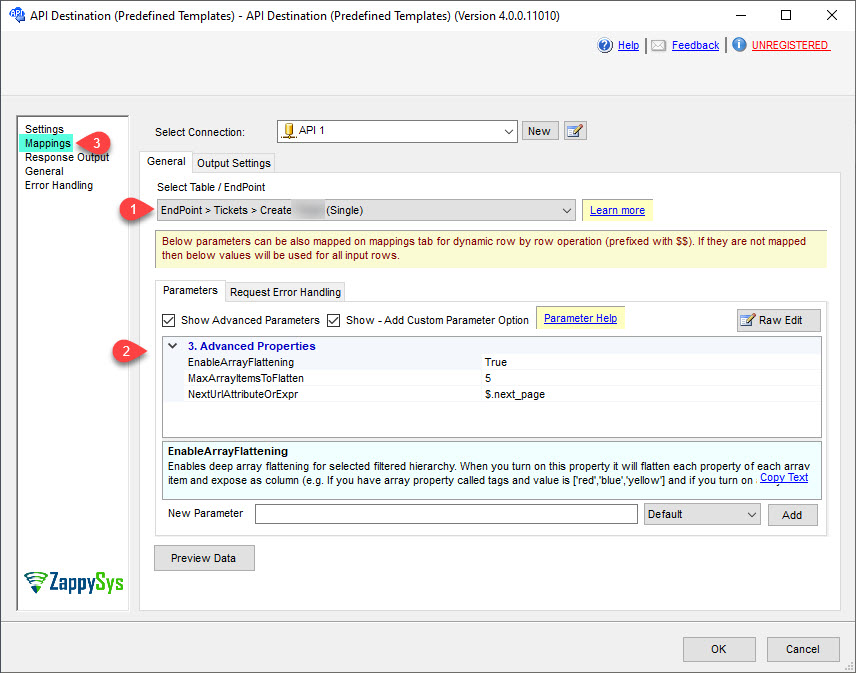
-
Finally, map the desired columns:
API Destination - JiraRead and write Jira data effortlessly. Track, manage, and automate issues, projects, worklogs, and comments — almost no coding required.
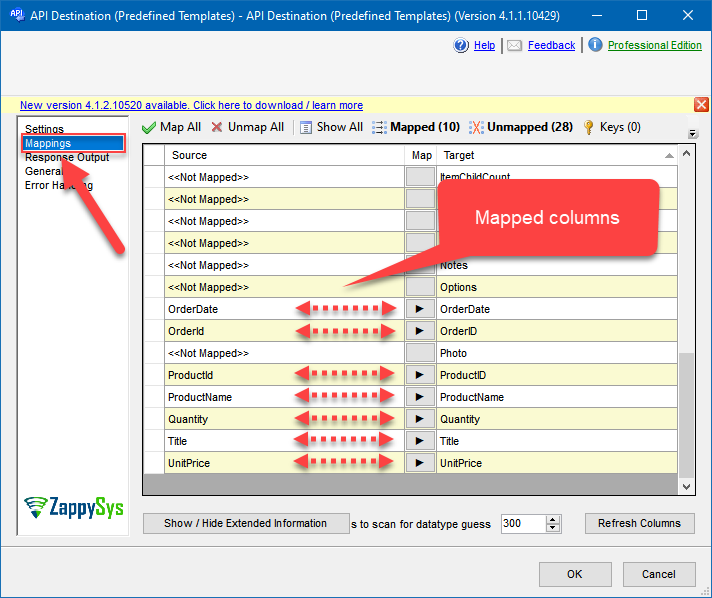
-
That's it; we successfully configured the POST API Call. In a few clicks we configured the Jira API call using ZappySys Jira Connector
Load Jira data into SQL Server using Upsert Destination (Insert or Update)
Once you configured the data source, you can load Jira data into SQL Server using Upsert Destination.
Upsert Destination can merge or synchronize source data with the target table.
It supports Microsoft SQL Server, PostgreSQL, and Redshift databases as targets.
Upsert Destination also supports very fast bulk upsert operation along with bulk delete.
Upsert operation
- a database operation which performs INSERT or UPDATE SQL commands
based on record's existence condition in the target table.
It
Upsert Destination supports INSERT, UPDATE, and DELETE operations,
so it is similar to SQL Server's MERGE command, except it can be used directly in SSIS package.
-
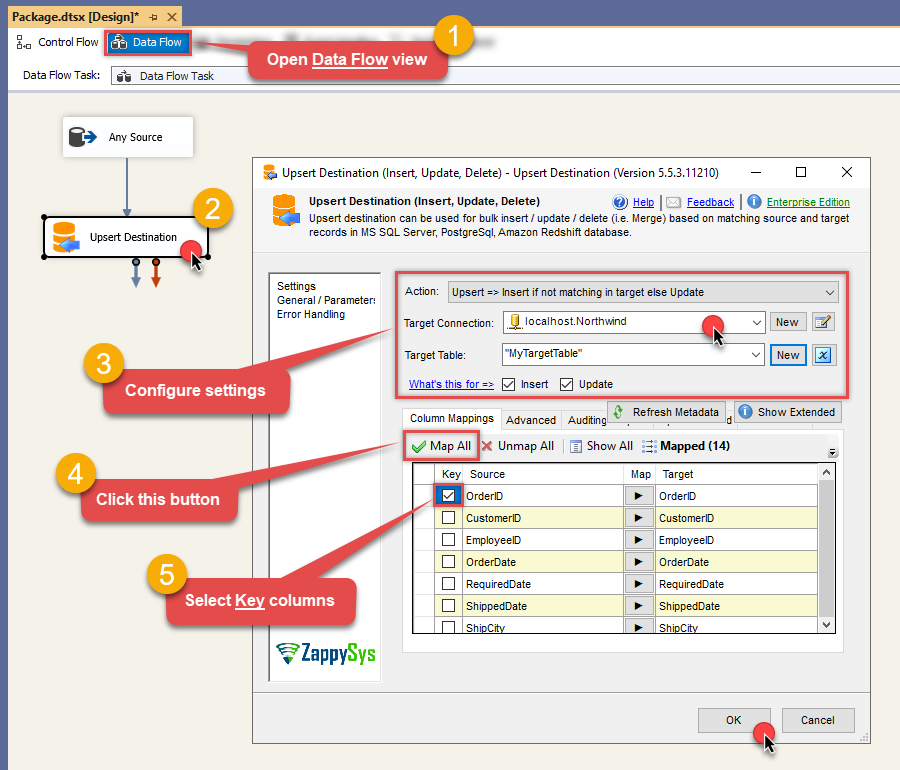
From the SSIS Toolbox drag-and-drop Upsert Destination component onto the Data Flow designer background.
-
Connect your SSIS source component to Upsert Destination.
-
Double-click on Upsert Destination component to open configuration window.
-
Start by selecting the Action from the list.
-
Next, select the desired target connection or create one by clicking <New [provider] Connection> menu item from the Target Connection dropdown.
-
Then select a table from the Target Table list or click New button to create a new table based on the source columns.
-
Continue by checking Insert and Update options according to your scenario (e.g. if Update option is unchecked, no updates will be made).
-
Finally, click Map All button to map all columns and then select the Key columns to match the columns on:
-
Click OK to save the configuration.
-
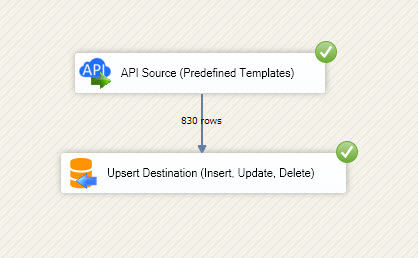
Run the package and Jira data will be merged with the target table in SQL Server, PostgreSQL, or Redshift:
-
Done!
Deploy and schedule SSIS package
After you are done creating SSIS package, most likely, you want to deploy it to SQL Server Catalog and run it periodically. Just follow the instructions in this article:
Running SSIS package in Azure Data Factory (ADF)
To use SSIS PowerPack in ADF, you must first prepare Azure-SSIS Integration Runtime. Follow this link for detailed instructions:
Explore supported Jira Connector actions
Got a specific use case in mind? We've mapped out exactly how to perform a variety of essential Jira operations directly in SSIS, so you don't have to figure out the setup from scratch. Check out the step-by-step guides below:
- Create Issue Comment
- Create Issues
- Create Project
- Create User
- Create Worklog
- Delete Issue
- Delete Issue Comment
- Delete Project
- Delete User
- Delete Worklog
- Get custom field context options
- Get custom field contexts
- Read Application Roles
- Read Changelog Details
- Read Changelogs
- Read Changelogs by IDs
- Read Comments
- Read Custom Fields
- Read Fields
- Read Groups
- Read Issue (By Id)
- Read Issue Types
- Read Issues
- Read Projects
- Read Resources
- Read Users
- Read Worklogs
- Read Worklogs modified after a specified date
- Update Issue
- Update Issue Comment
- Update Worklog
- Upsert Project
- Make Generic REST API Request
- Make Generic REST API Request (Bulk Write)
Conclusion
In this article we showed you how to connect to Jira in SSIS and integrate data without writing complex code — all of this was powered by Jira Connector.
Download SSIS PowerPack now or ping us via chat if you have any questions or are looking for a specific feature (you can also reach out to us by submitting a ticket):