

Introduction
You can connect to your Custom API data from SSRS via the high-performance Custom API ODBC Driver. We'll walk you through the entire setup.
Let's not waste time and get started!
Video tutorial
Watch this quick video to see the integration in action. It walks you through the end-to-end setup, including:
- Installing the ODBC PowerPack
- Working with Custom API data directly inside SSRS
- Exploring advanced API Driver features
Ready to dive in? Download the product to jump right in, or follow the step-by-step guide below to see how it works.
Create Custom API Connector
First of all, you will have to create your own API connector.
For demonstration purposes, in this section we will create a simple Hello-World API connector that
calls ZappySys Sandbox World API endpoint https://sandbox.zappysys.com/api/world/hello.
When developing your Custom API Connector, just replace it with your real API method/endpoint.
Let's dive in and follow these steps:
-
Search for
odbcand open the ODBC Data Sources (64-bit):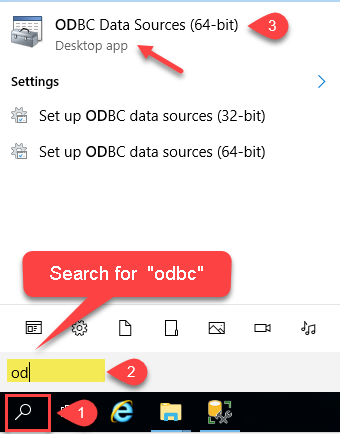
-
Create a User data source (User DSN) based on the ZappySys JSON Driver driver:
ZappySys JSON Driver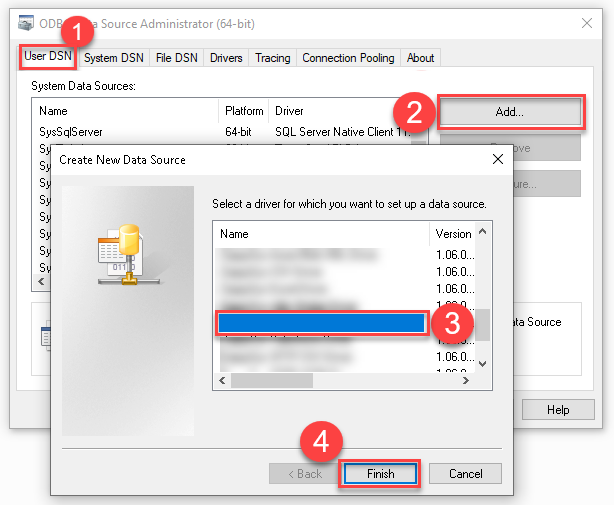
-
Once the data source configuration window opens, enter this URL into the text box:
https://sandbox.zappysys.com/api/world/hello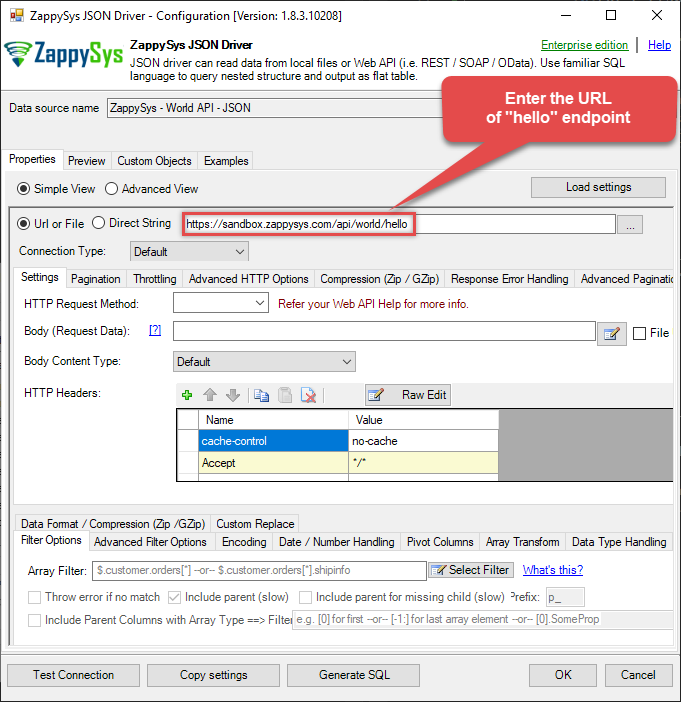
-
Then go to the Preview tab and try to say "Hello!" to the World!

-
Since the test is successful, you are ready to create the Hello-World Connector:
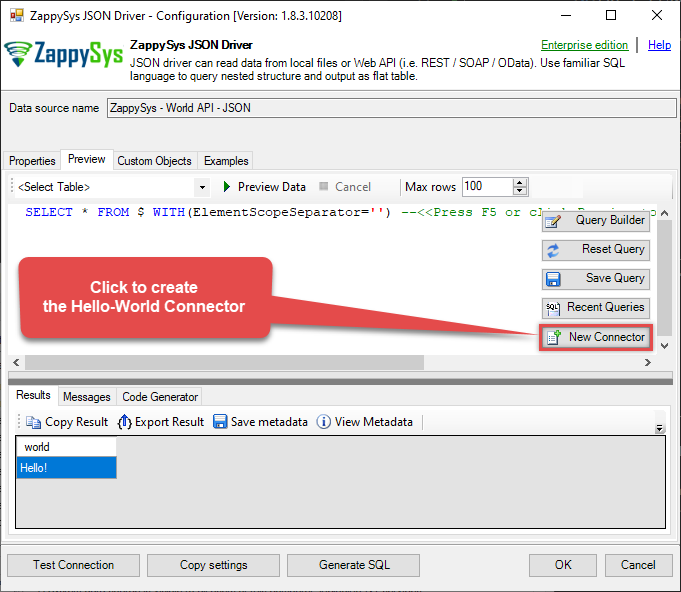
-
The API Connector File Wizard opens, click Next:
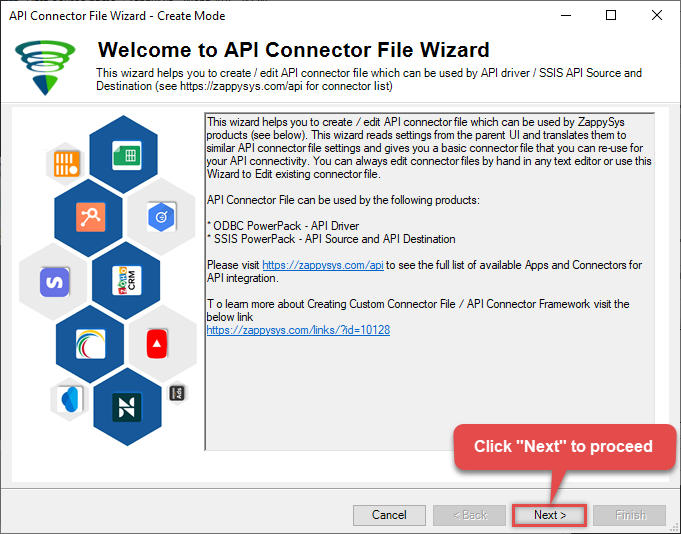
-
Leave the default option, and click Next again:
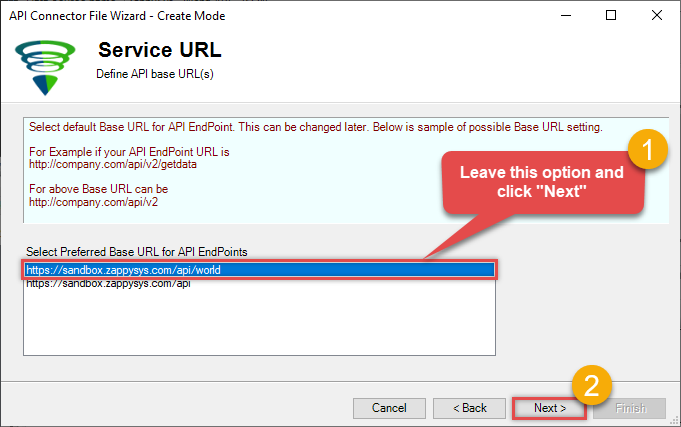
-
Just click Next in the next window:
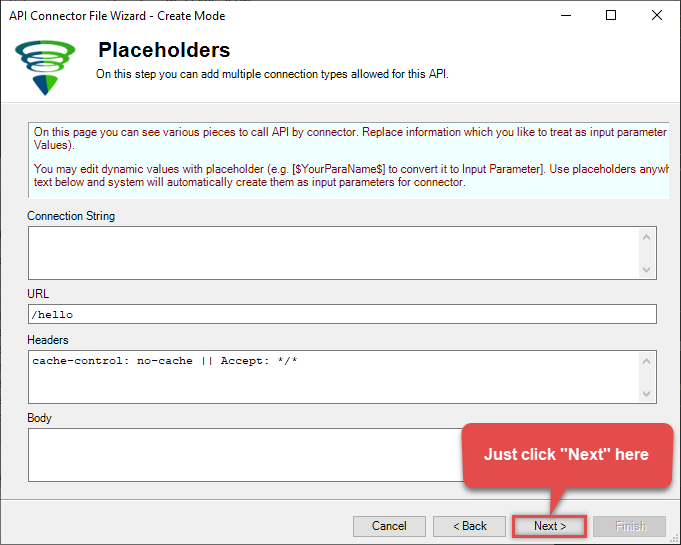
-
Let's give our new custom connector a name it deserves:
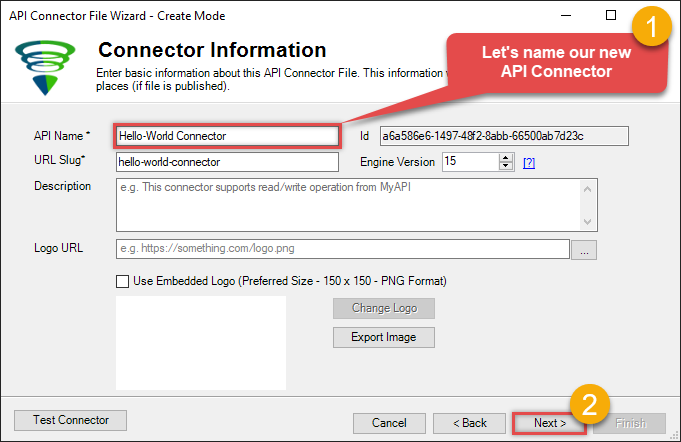
-
Then just click Next in the Connection Types window:
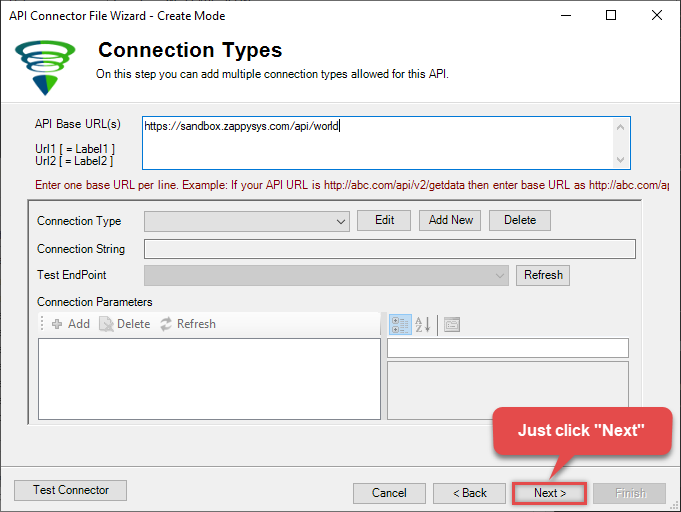
-
Let's name the hello endpoint (it deserves a name too!):
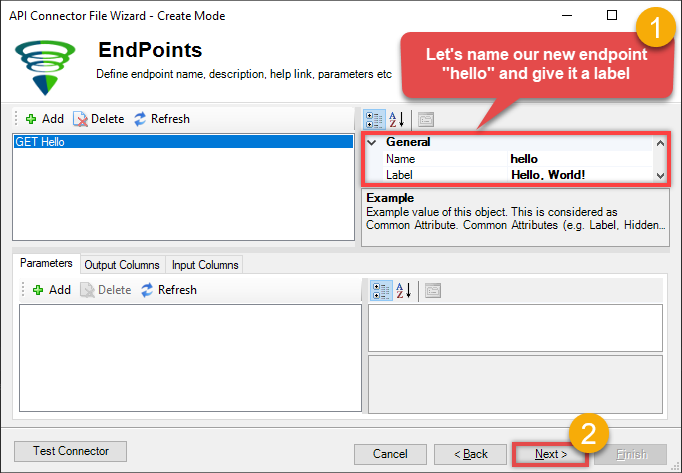
-
When the next window opens, delete the default table (we won't need it for now):
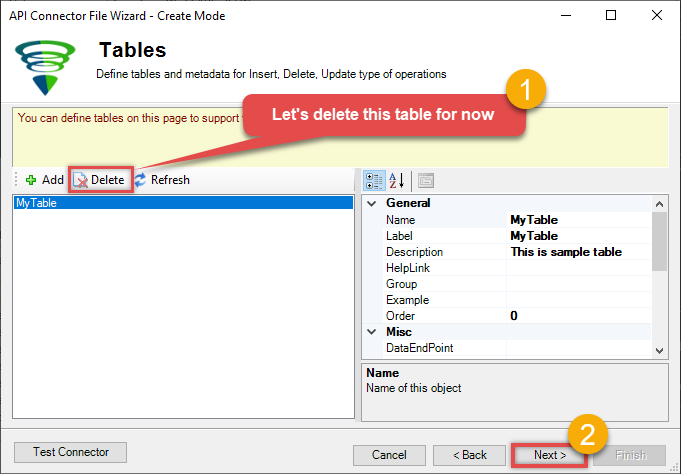
-
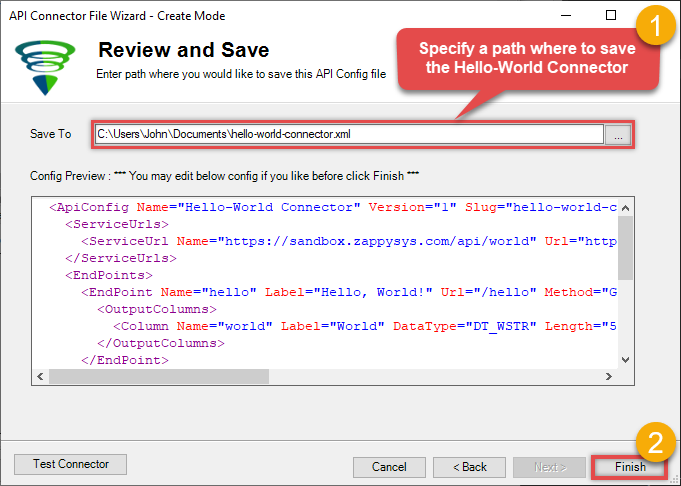
Finally, specify a path, where you want to save the newly created API Connector:
Create data source in ZappySys Data Gateway
In this section we will create a data source for Custom API in the Data Gateway. Let's follow these steps to accomplish that:
-
Download and install ODBC PowerPack (if you haven't already).
-
Search for
gatewayin the Windows Start Menu and open ZappySys Data Gateway Configuration: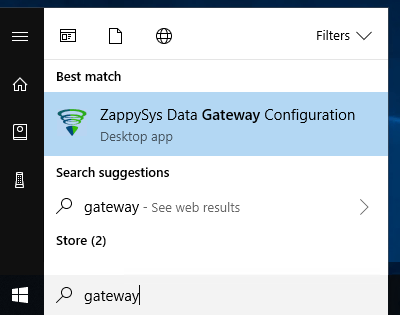
-
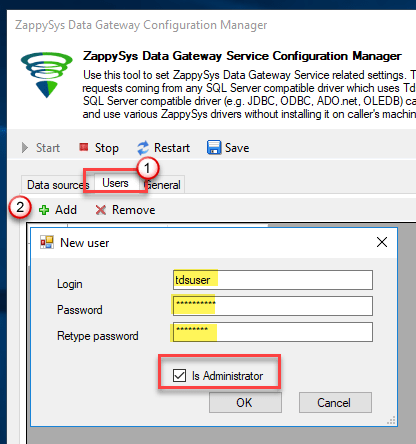
Go to the Users tab and follow these steps to add a Data Gateway user:
- Click the Add button
-
In the Login field enter a username, e.g.,
john - Then enter a Password
- Check the Is Administrator checkbox
- Click OK to save
-
Now we are ready to add a data source:
- Click the Add button
- Give the Data source a name (have it handy for later)
- Then select Native - ZappySys API Driver
- Finally, click OK
CustomApiDSNZappySys API Driver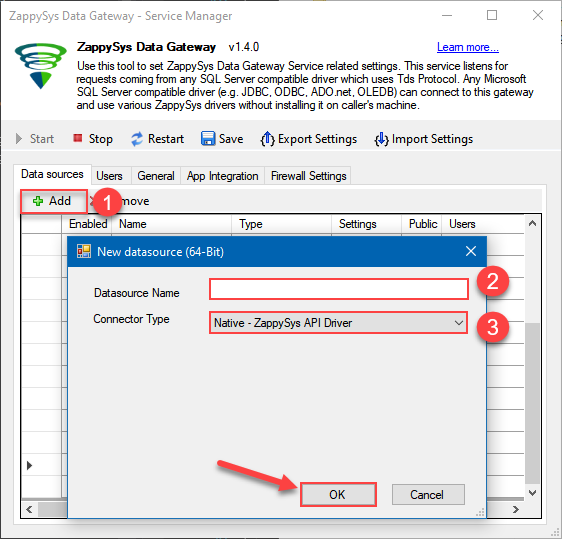
-
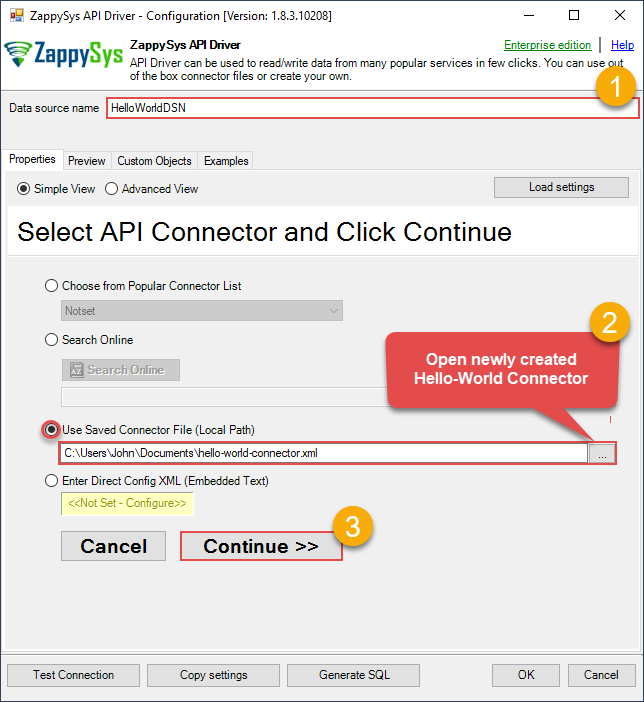
When the Configuration window appears give your data source a name if you haven't done that already. Then set the path to your created Custom API Connector (in the example below, we use Hello-World Connector). Finally, click Continue >> to proceed:
-
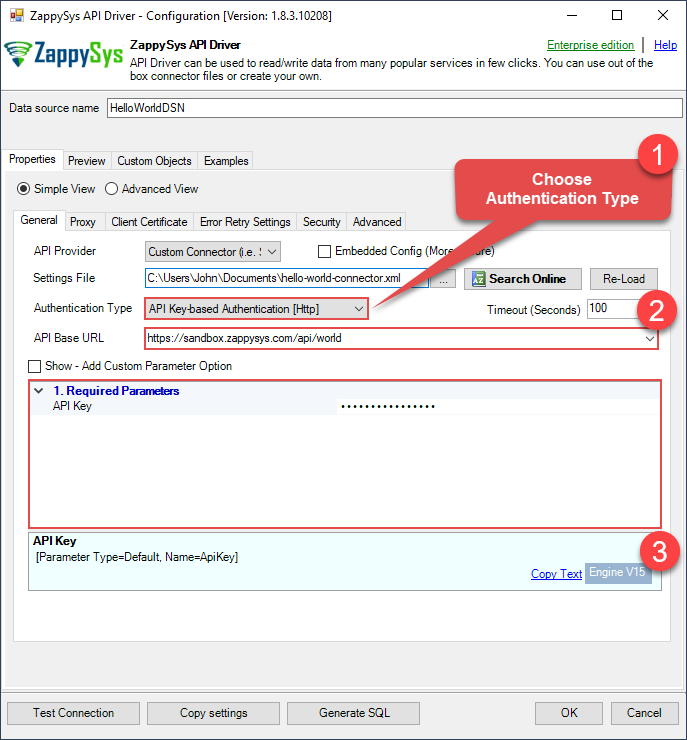
Now it's time to configure the Connection Manager. Select Authentication Type, e.g. Token Authentication. Then select API Base URL (in most cases, the default one is the right one). Check your Custom API reference for more information on how to authenticate.
-
Once the data source connection has been configured, it's time to configure the SQL query. Select the Preview tab and then click Query Builder button to configure the SQL query:
 ZappySys API Driver - Custom APIRead / write Custom API data without coding.CustomApiDSN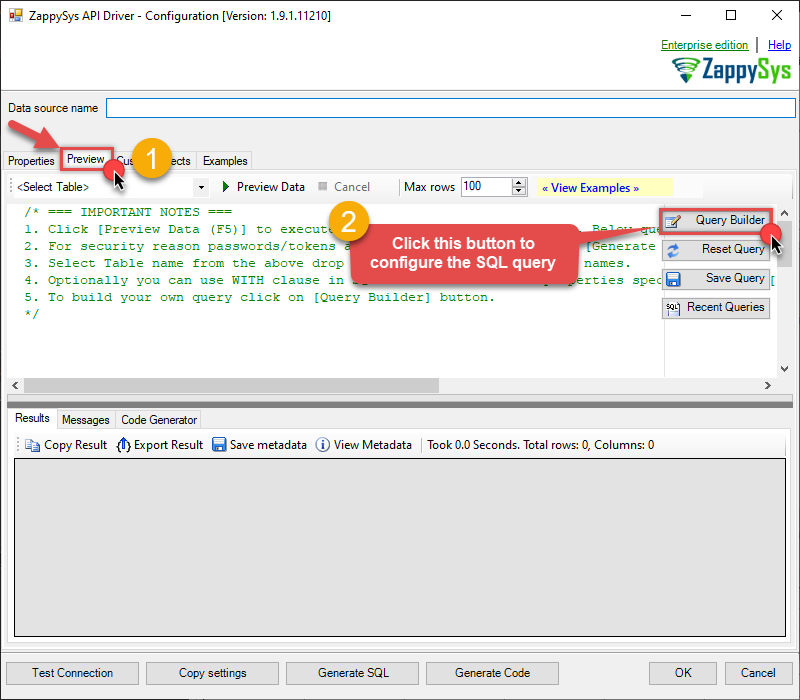
-
Start by selecting the Table or Endpoint you are interested in and then configure the parameters. This will generate a query that we will use in SSRS to retrieve data from Custom API. Hit OK button to use this query in the next step.
SELECT * FROM Orders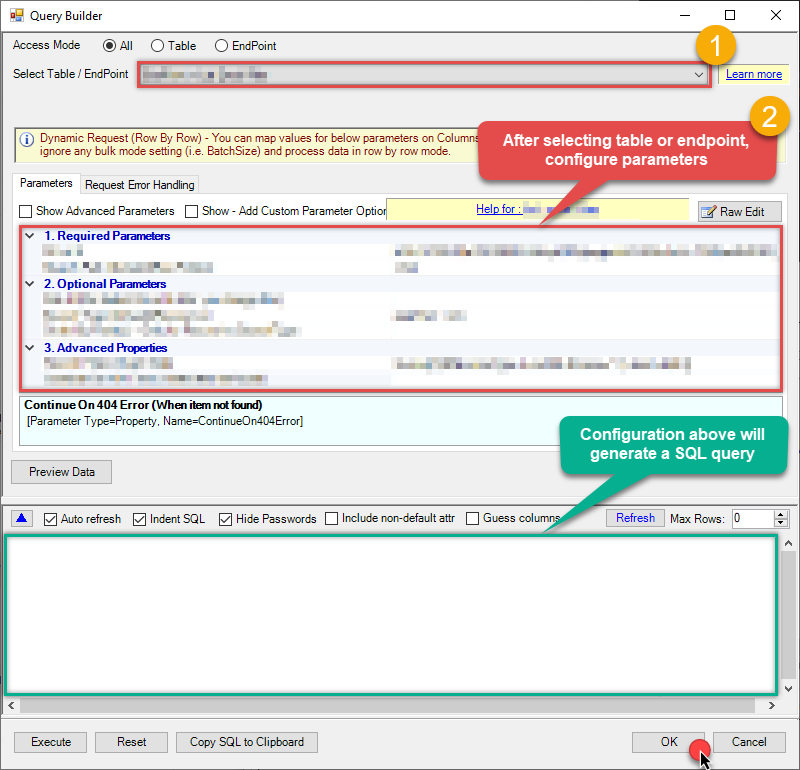 Some parameters configured in this window will be passed to the Custom API, e.g. filtering parameters. It means that filtering will be done on the server side (instead of the client side), enabling you to get only the meaningful data
much faster . -
Now hit Preview Data button to preview the data using the generated SQL query. If you are satisfied with the result, use this query in SSRS:
ZappySys API Driver - Custom APIRead / write Custom API data without coding.CustomApiDSNSELECT * FROM Orders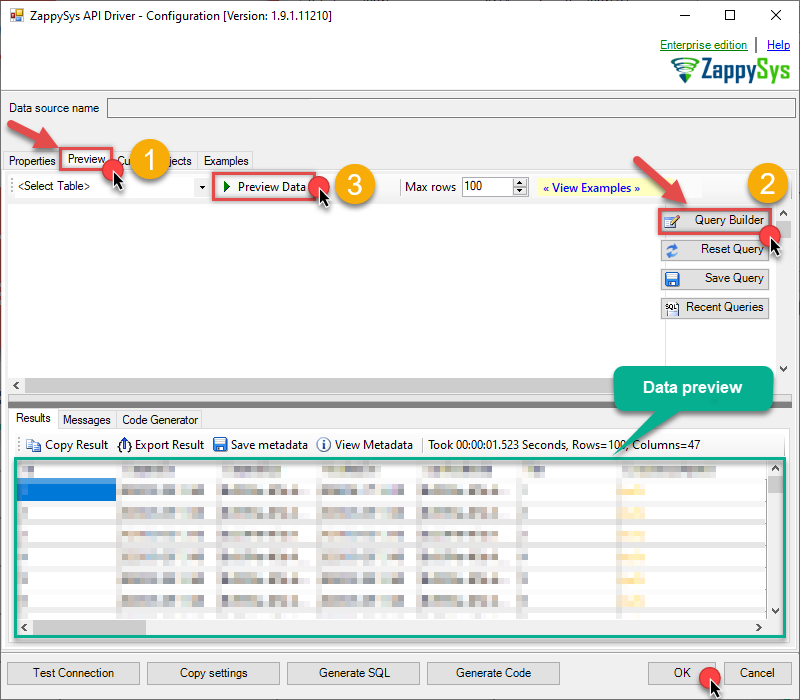 You can also access data quickly from the tables dropdown by selecting <Select table>.A
WHEREclause,LIMITkeyword will be performed on the client side, meaning that thewhole result set will be retrieved from the Custom API first, and only then the filtering will be applied to the data. If possible, it is recommended to use parameters in Query Builder to filter the data on the server side (in Custom API servers). -
Click OK to finish creating the data source.
-
Once done, go to the Network Settings tab and Add a firewall rule for inbound traffic:
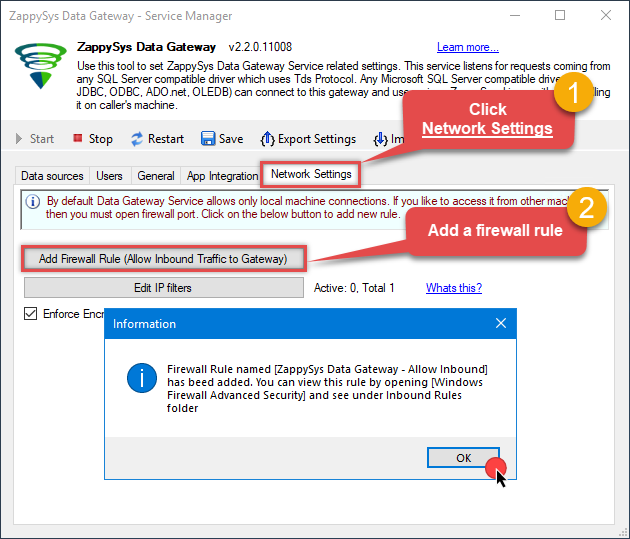
- This will initially allow all inbound traffic.
- Click Edit IP filters to restrict access to specific IP addresses or ranges.
-
Crucial Step: After creating or modifying the data source, you must:
- Click the Save button to persist your changes.
- Hit Yes when prompted to restart the Data Gateway service.
This ensures all changes are properly applied:
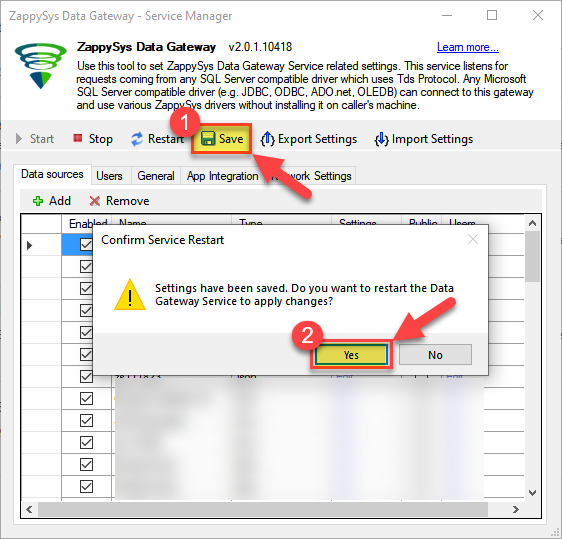 Skipping this step may cause the new settings to fail, preventing you from connecting to the data source.
Read data in SSRS from ZappySys Data Gateway
-
Open Visual Studio and create a new SSRS project.
-
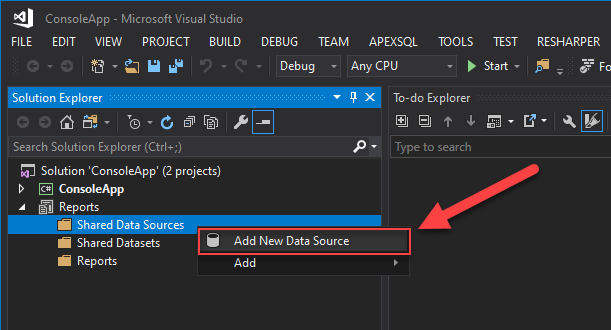
Then add a new Shared Data Source (you can create a non-shared data source inside report too):
-
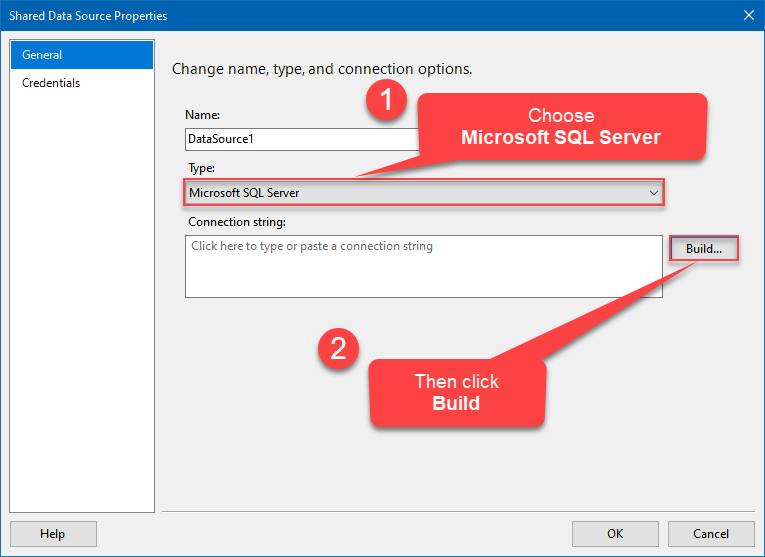
Continue with creating the Shared Data Source. Select Microsoft SQL Server as Type and hit Build button to proceed further:
-
Once a window opens, configure it similarly. Configure "CustomApiDSN" as database name. Finally, hit Test Connection and OK:
CustomApiDSN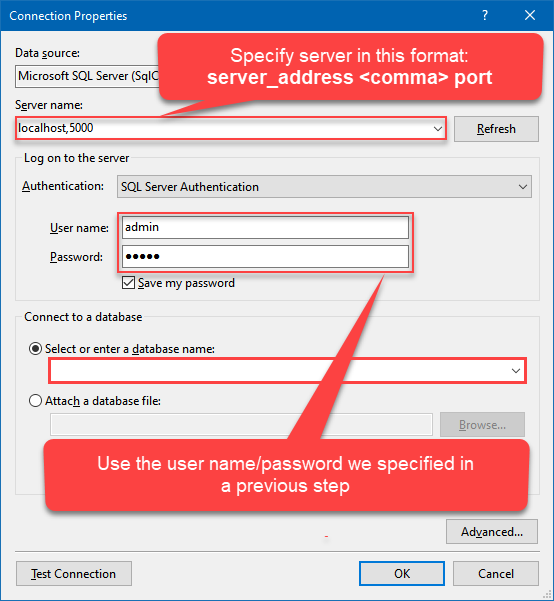
-
Another window opens, and it should look similarly to this one below which ends the creation of a Data Source:
DataSource=localhost,5000;Initial Catalog=CustomApiDSN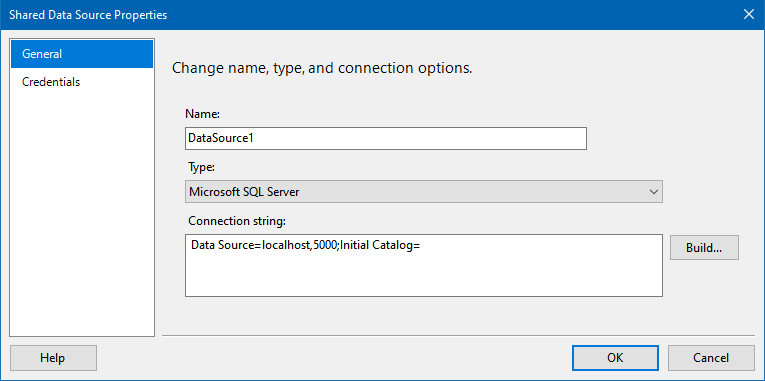
-
Now it's time to create a Dataset. If you don't have a report created, in one of the wizard's steps it will look like this:
SELECT * FROM Orders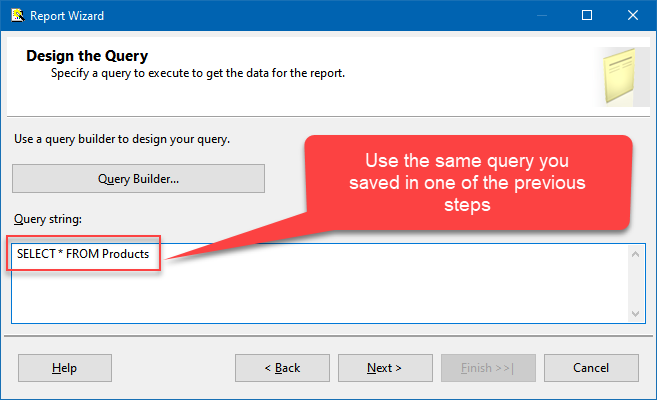
-
Finally, once you complete the report, similar results will show up:
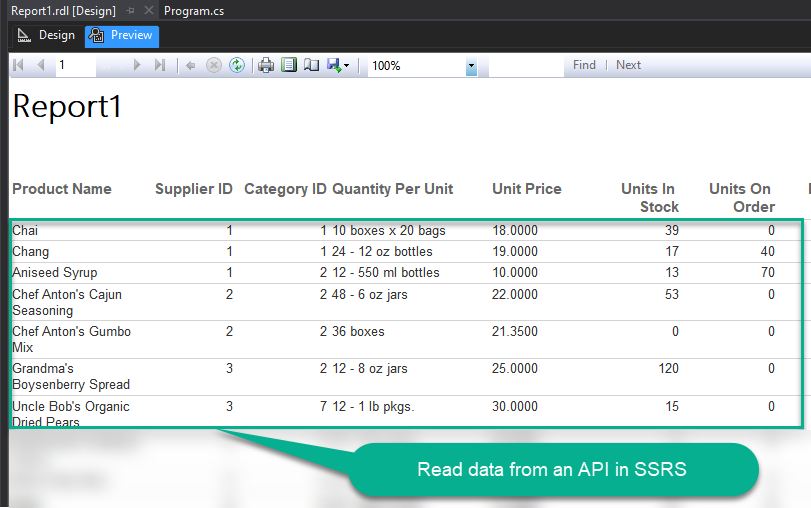
Passing Parameters to SSRS Report / Filter data
If you want to parameterize your report, then refer to this article
Conclusion
In this guide, we demonstrated how to connect to Custom API in SSRS and integrate your data — all without writing complex code.
Ready to get started? Download ODBC PowerPack now or ping us via chat if you still need help: