
Introduction
You can connect to your FTP/SFTP JSON File data from Excel via the high-performance FTP/SFTP JSON File ODBC Driver. We'll walk you through the entire setup.
Let's not waste time and get started!
Create data source using FTP/SFTP JSON File ODBC Driver
Step-by-step instructions
To get data from FTP/SFTP JSON File using Excel, we first need to create an ODBC data source. We will later read this data in Excel. Perform these steps:
-
Download and install ODBC PowerPack (if you haven't already).
-
Search for
odbcand open the ODBC Data Sources (64-bit):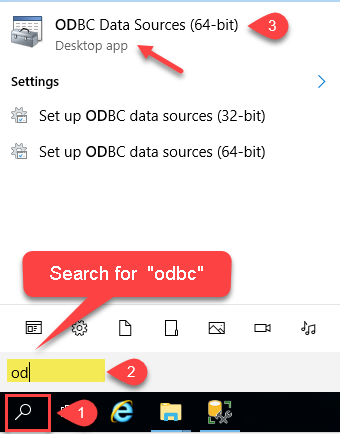
-
Create a User data source (User DSN) based on the ZappySys SFTP JSON Driver driver:
ZappySys SFTP JSON Driver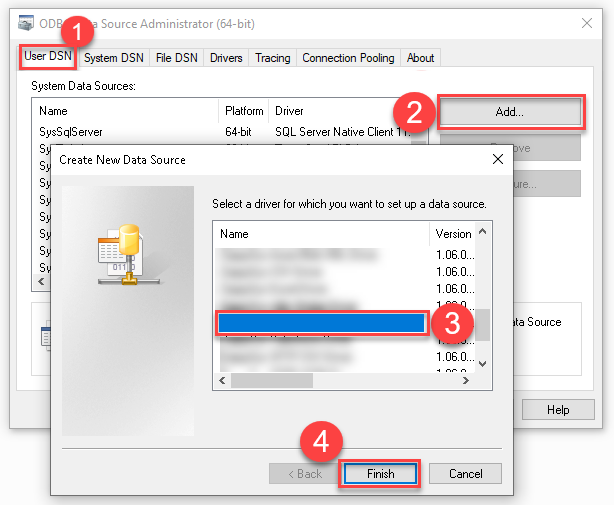
- Create and use a User DSN if the client application runs under a User Account. This is the ideal option at design time (e.g., when developing in Visual Studio). Use it for both types of applications (64-bit and 32-bit).
- Create and use a System DSN if the client application runs under a System Account (e.g., as a Windows Service). This is usually the required option in a production environment. If your Windows Service is a 32-bit application, you must use the 32-bit ODBC Data Source Administrator to configure this
-
Create and configure a connection for the FTP/SFTP storage account.
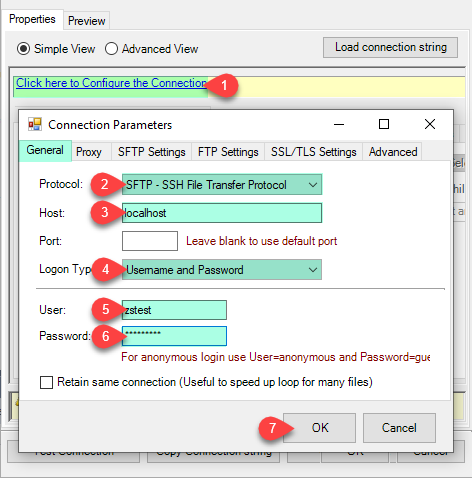
-
You can use select your desired single file by clicking [...] path button.
mybucket/dbo.tblNames.jsondbo.tblNames.json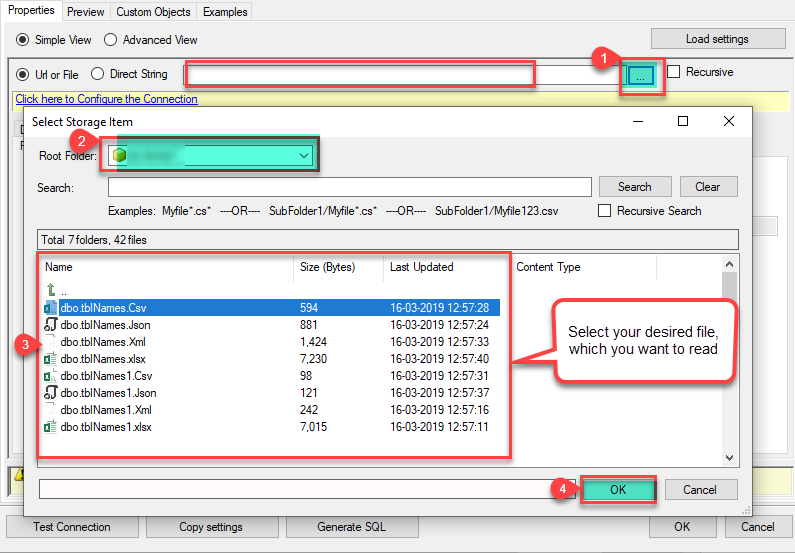
----------OR----------You can also read the multiple files stored in FTP/SFTP Storage using wildcard pattern supported e.g. dbo.tblNames*.json.
Note: If you want to operation with multiple files then use wild card pattern as below
(when you use wild card pattern in source path then system will treat target path as folder regardless you end with slash)

mybucket/dbo.tblNames.json (will read only single .JSON file)
mybucket/dbo.tbl*.json (all files starting with file name)
mybucket/*.json (all files with .json Extension and located under folder subfolder)
mybucket/dbo.tblNames*.json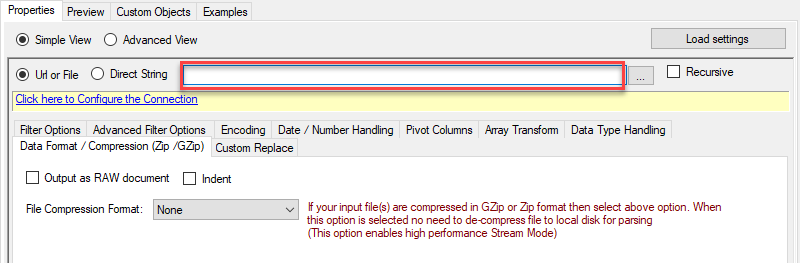
----------OR----------You can also read the zip and gzip compressed files also without extracting it in using FTP/SFTP JSON Source File Task.
mybucket/dbo.tblNames*.gz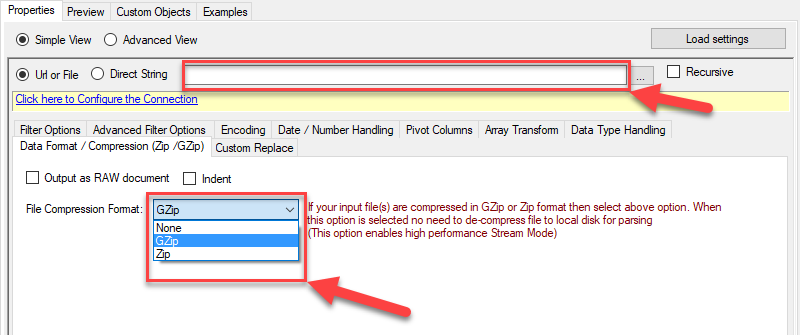
-
Now select/enter Path expression in Path textbox to extract only specific part of JSON string as below ($.value[*] will get content of value attribute from JSON document. Value attribute is array of JSON documents so we have to use [*] to indicate we want all records of that array)
NOTE: Here, We are using our desired filter, but you need to select your desired filter based on your requirement.Go to Preview Tab.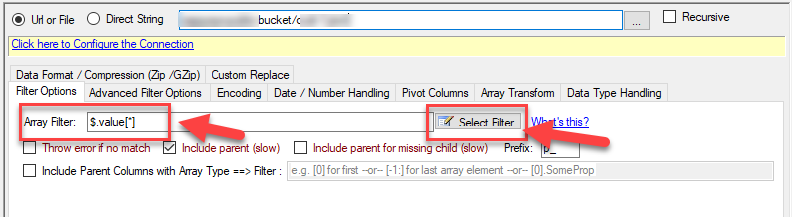
-
Navigate to the Preview Tab and let's explore the different modes available to access the data.
-
--- Using Direct Query ---
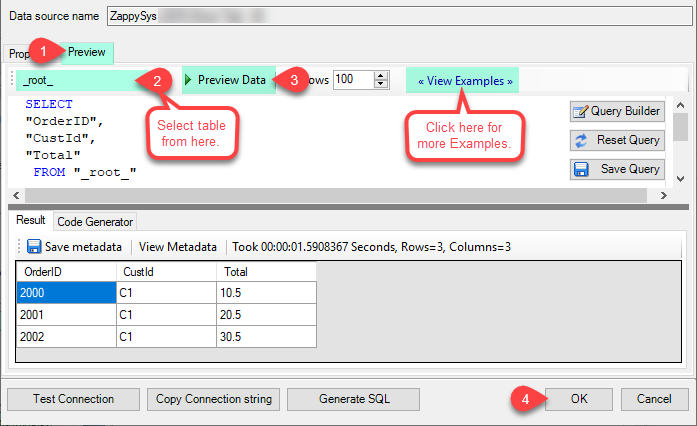
Click on Preview Tab, Select Table from Tables Dropdown and select [value] and click Preview.
-
--- Using Stored Procedure ---
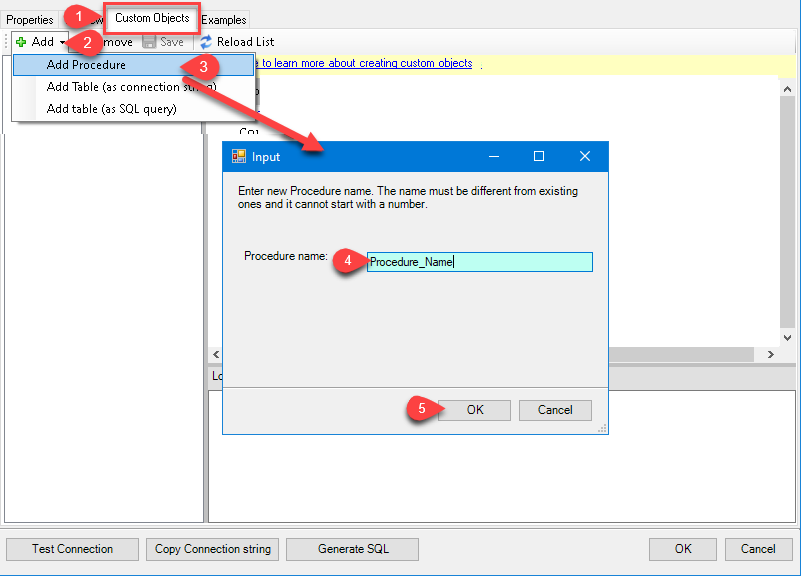
Note : For this you have to Save ODBC Driver configuration and then again reopen to configure same driver. For more information click here.Click on the Custom Objects Tab, Click on Add button and select Add Procedure and Enter an appropriate name and Click on OK button to create.
-
--- Without Parameters ---
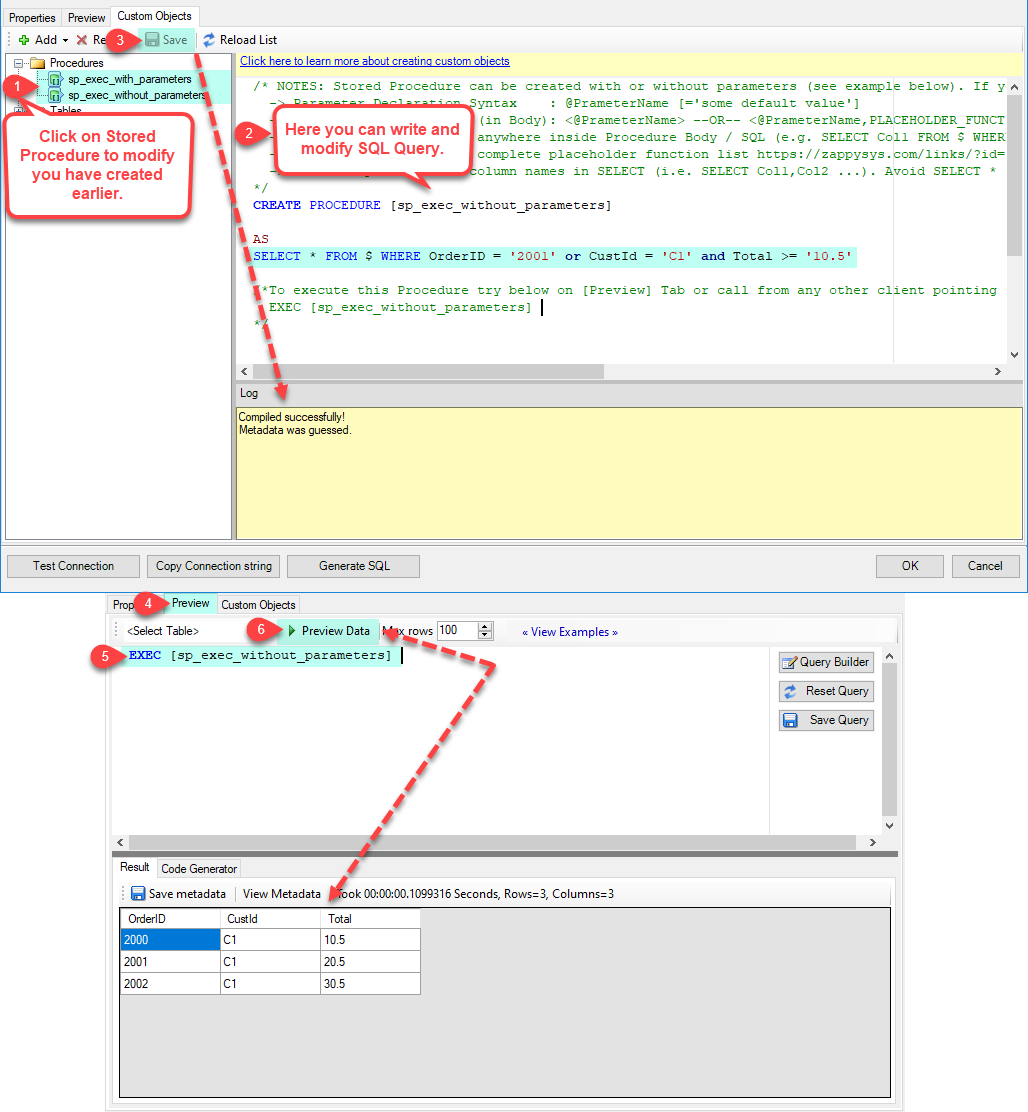
Now Stored Procedure can be created with or without parameters (see example below). If you use parameters then Set default value otherwise it may fail to compilation)
-
--- With Parameters ---
Note : Here you can use Placeholder with Paramters in Stored Procedure. Example : SELECT * FROM $ WHERE OrderID = '<@OrderID, FUN_TRIM>' or CustId = '<@CustId>' and Total >= '<@Total>'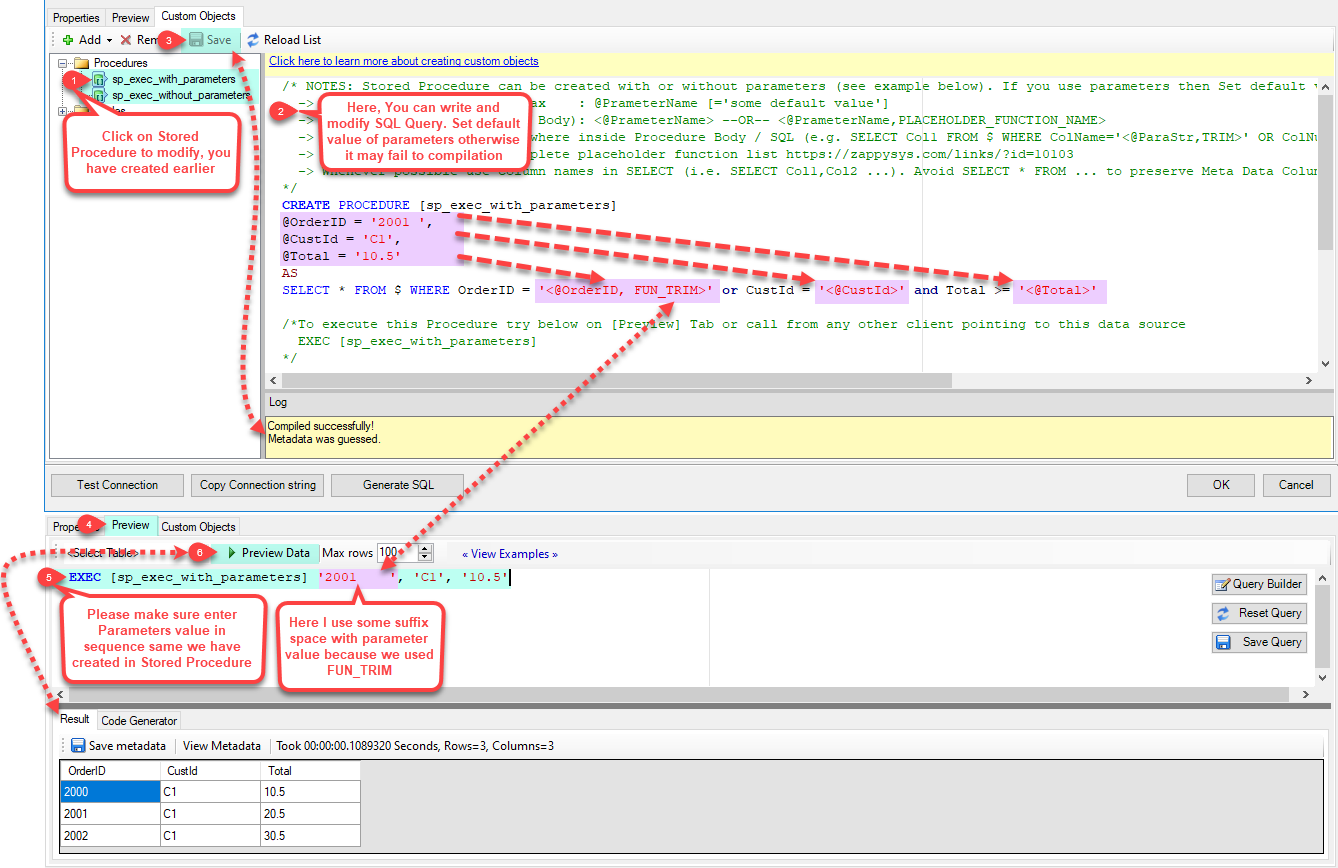
-
-
--- Using Virtual Table ---
Note : For this you have to Save ODBC Driver configuration and then again reopen to configure same driver. For more information click here.ZappySys APi Drivers support flexible Query language so you can override Default Properties you configured on Data Source such as URL, Body. This way you don't have to create multiple Data Sources if you like to read data from multiple EndPoints. However not every application support supplying custom SQL to driver so you can only select Table from list returned from driver.
Many applications like MS Access, Informatica Designer wont give you option to specify custom SQL when you import Objects. In such case Virtual Table is very useful. You can create many Virtual Tables on the same Data Source (e.g. If you have 50 Buckets with slight variations you can create virtual tables with just URL as Parameter setting).
vt__Customers
DataPath=mybucket_1/customers.json

vt__Orders
DataPath=mybucket_2/orders.json

vt__Products
DataPath=mybucket_3/products.json
-
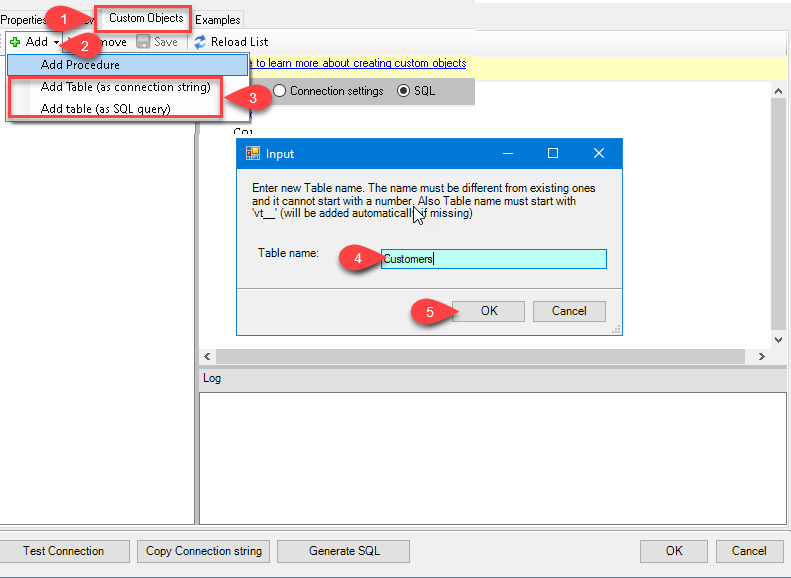
Click on the Custom Objects Tab, Click on Add button and select Add Table and Enter an appropriate name and Click on OK button to create.
-
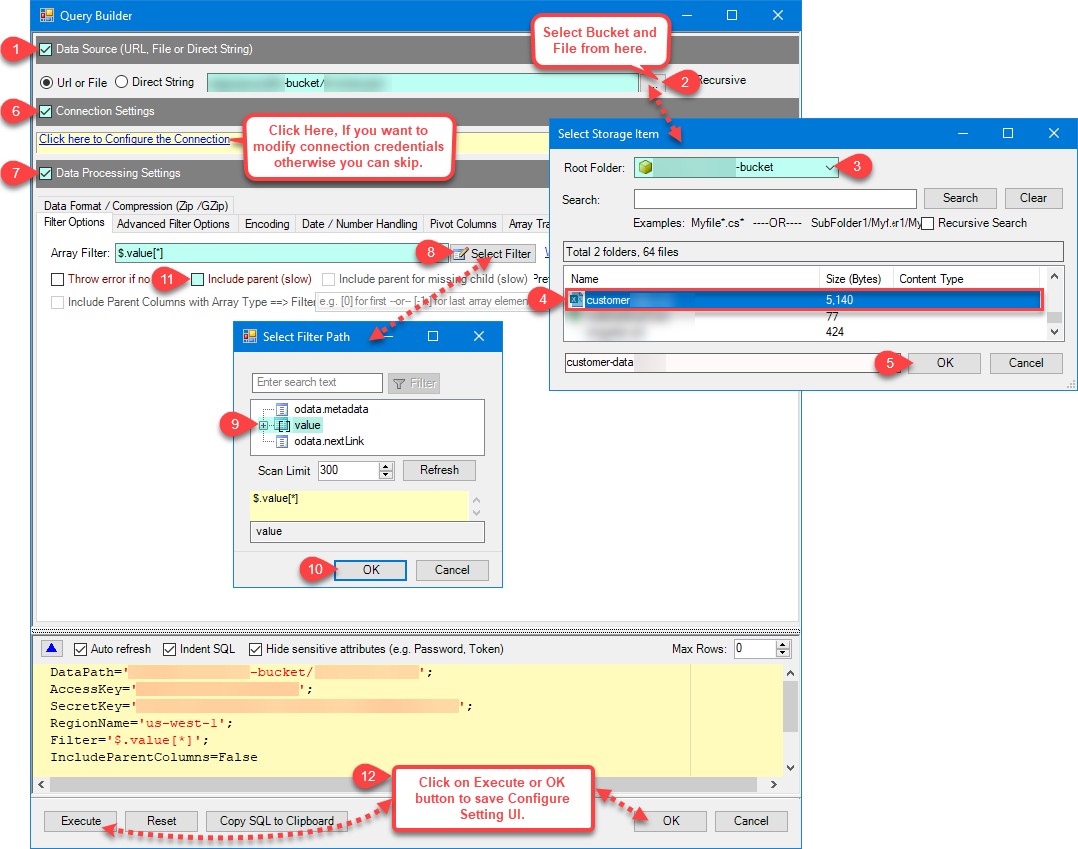
Once you see Query Builder Window on screen Configure it.
-
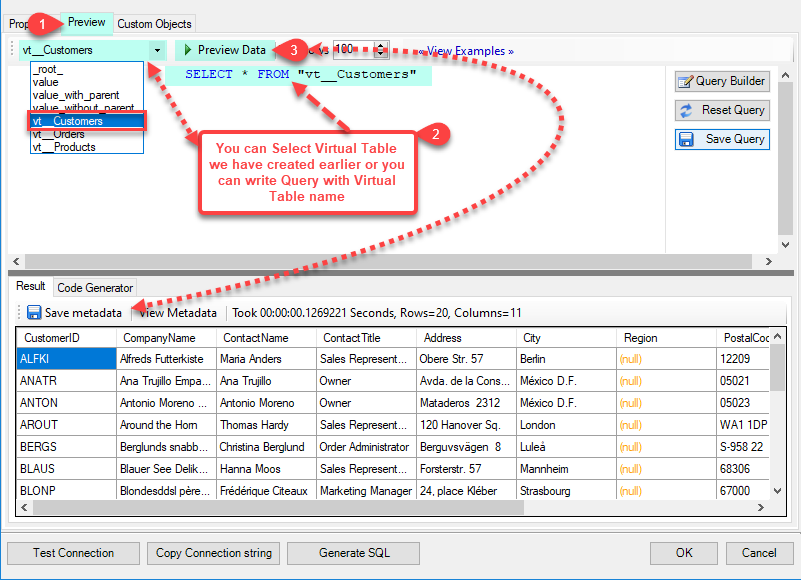
Click on Preview Tab, Select Virtual Table(prefix with vt__) from Tables Dropdown or write SQL query with Virtual Table name and click Preview.
-
Click on the Custom Objects Tab, Click on Add button and select Add Table and Enter an appropriate name and Click on OK button to create.
-
-
Click OK to finish creating the data source
-
That's it; we are done. In a few clicks we configured the to Read the FTP/SFTP JSON File data using ZappySys FTP/SFTP JSON File Connector
Read data in Excel from the DSN
-
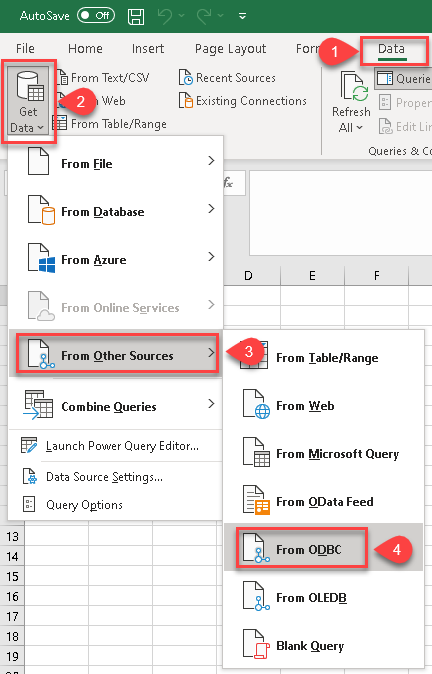
In Excel click Data, then select Get Data, proceed with From Other Sources and choose From ODBC item. This will get data from ODBC data source we created:
-
A small window opens, then simply select the data source you created in previous steps:
FtpSftpJsonFileDSN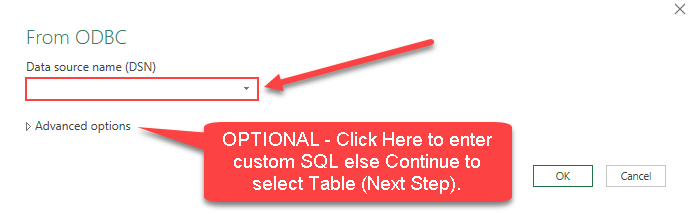
-
Most likely, you will be asked to authenticate to a newly created DSN. Just select Windows authentication option together with Use my current credentials option:
FtpSftpJsonFileDSN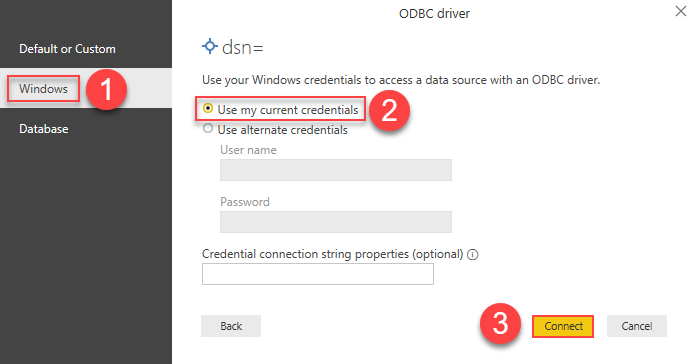
-
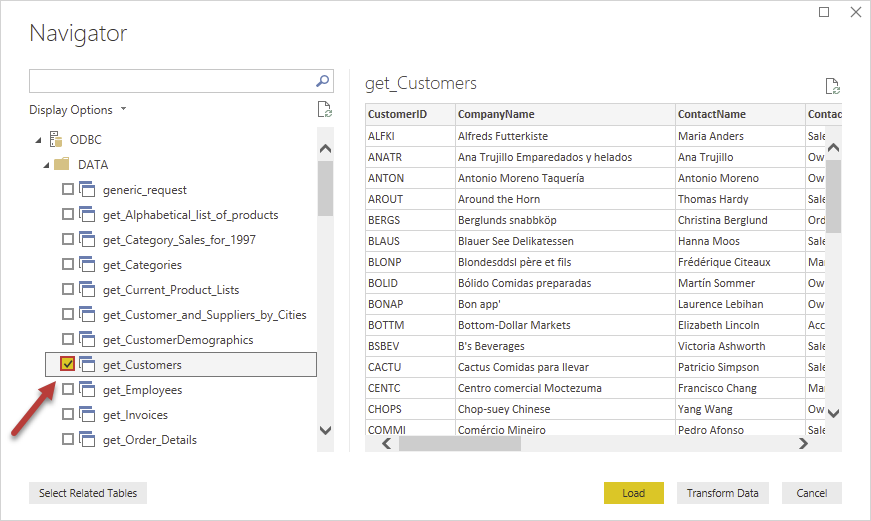
Finally, you will be asked to select a table or view to get data from. Select one and load the data!
-
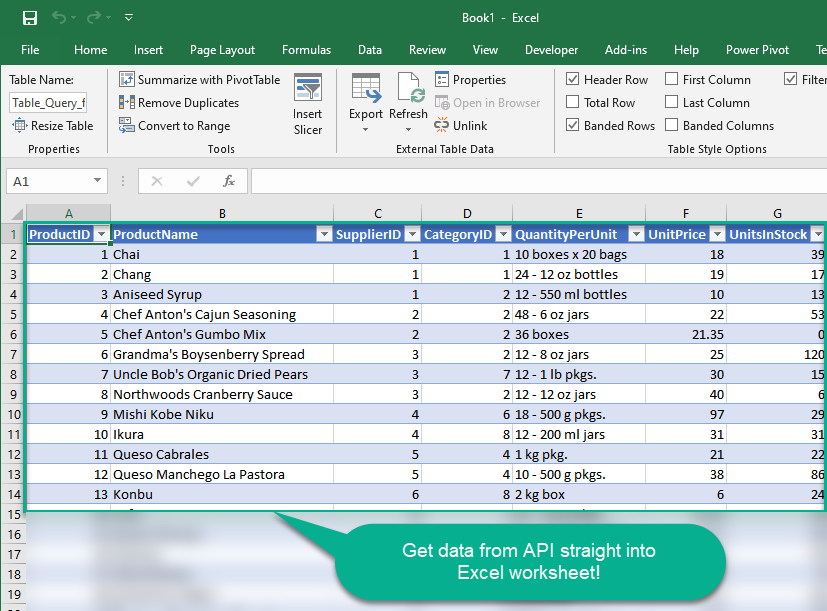
Finally, finally, use data extracted from FTP/SFTP JSON File API in an Excel worksheet:
Refresh data source in Excel
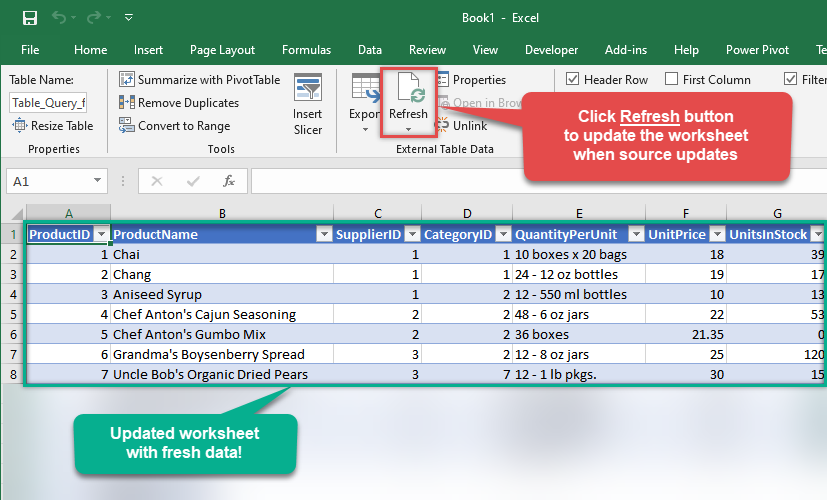
When data updates in FTP/SFTP JSON File, it is not automatically refreshed in Excel. To update the worksheet, go to Data or Table Design tab and click the Refresh button:
Optional: Centralized data access via ZappySys Data Gateway
In some situations, you may need to provide FTP/SFTP JSON File data access to multiple users or services. Configuring the data source on a Data Gateway creates a single, centralized connection point for this purpose.
This configuration provides two primary advantages:
-
Centralized data access
The data source is configured once on the gateway, eliminating the need to set it up individually on each user's machine or application. This significantly simplifies the management process.
-
Centralized access control
Since all connections route through the gateway, access can be governed or revoked from a single location for all users.
| Data Gateway |
Local ODBC
data source
|
|
|---|---|---|
| Simple configuration | ||
| Installation | Single machine | Per machine |
| Connectivity | Local and remote | Local only |
| Connections limit | Limited by License | Unlimited |
| Central data access | ||
| Central access control | ||
| More flexible cost |
To achieve this, you must first create a data source in the Data Gateway (server-side) and then create an ODBC data source in Excel (client-side) to connect to it.
Let's not wait and get going!
Create FTP/SFTP JSON File data source in the gateway
In this section we will create a data source for FTP/SFTP JSON File in the Data Gateway. Let's follow these steps to accomplish that:
-
Search for
gatewayin the Windows Start Menu and open ZappySys Data Gateway Configuration: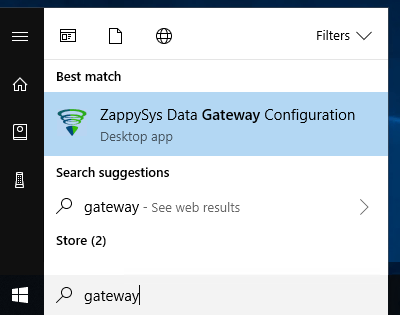
-
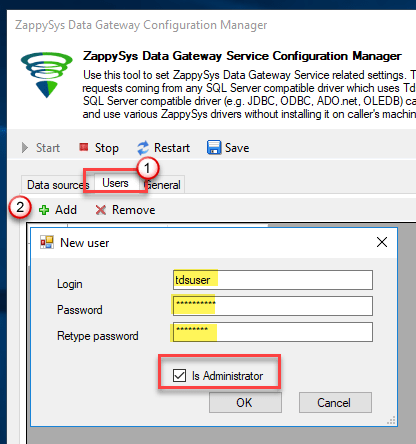
Go to the Users tab and follow these steps to add a Data Gateway user:
- Click the Add button
-
In the Login field enter a username, e.g.,
john - Then enter a Password
- Check the Is Administrator checkbox
- Click OK to save
-
Now we are ready to add a data source:
- Click the Add button
- Give the Data source a name (have it handy for later)
- Then select Native - ZappySys SFTP JSON Driver
- Finally, click OK
FtpSftpJsonFileDSNZappySys SFTP JSON Driver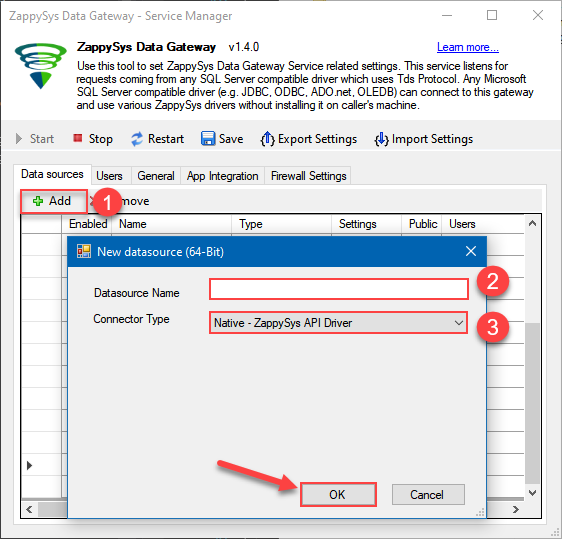
-
When the ZappySys SFTP JSON Driver configuration window opens, go back to ODBC Data Source Administrator where you already have the FTP/SFTP JSON File ODBC data source created and configured, and follow these steps on how to Import data source configuration into the Gateway:
-
Open ODBC data source configuration and click Copy settings:
 ZappySys SFTP JSON Driver - FTP/SFTP JSON FileRead and write JSON files over FTP/SFTP effortlessly. Streamline, manage, and automate JSON files on FTP and SFTP for analytics, reporting, and data pipelines — almost no coding required.FtpSftpJsonFileDSN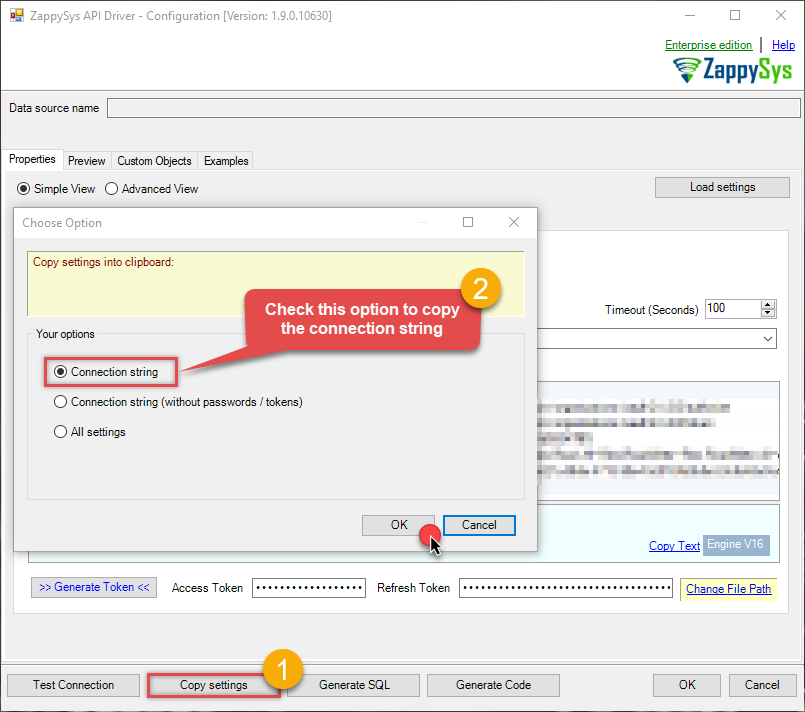
-
The window opens, telling us the connection string was successfully copied to the clipboard:
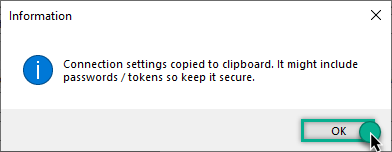
-
Then go to Data Gateway configuration and in data source configuration window click Load settings:
FtpSftpJsonFileDSN
ZappySys SFTP JSON Driver - Configuration [Version: 2.0.1.10418]ZappySys SFTP JSON Driver - FTP/SFTP JSON FileRead and write JSON files over FTP/SFTP effortlessly. Streamline, manage, and automate JSON files on FTP and SFTP for analytics, reporting, and data pipelines — almost no coding required.FtpSftpJsonFileDSN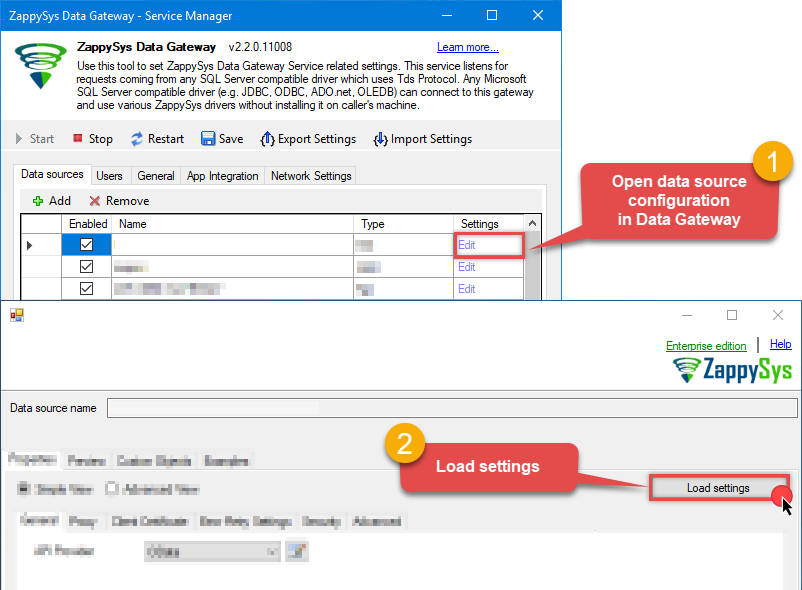
-
Once a window opens, just paste the settings by pressing
CTRL+Vor by clicking right mouse button and then Paste option.
-
Open ODBC data source configuration and click Copy settings:
-
Once done, go to the Network Settings tab and Add a firewall rule for inbound traffic:
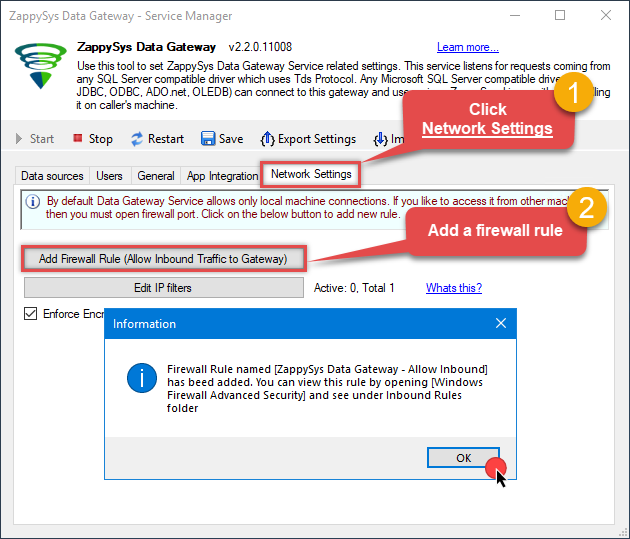
- This will initially allow all inbound traffic.
- Click Edit IP filters to restrict access to specific IP addresses or ranges.
-
Crucial Step: After creating or modifying the data source, you must:
- Click the Save button to persist your changes.
- Hit Yes when prompted to restart the Data Gateway service.
This ensures all changes are properly applied:
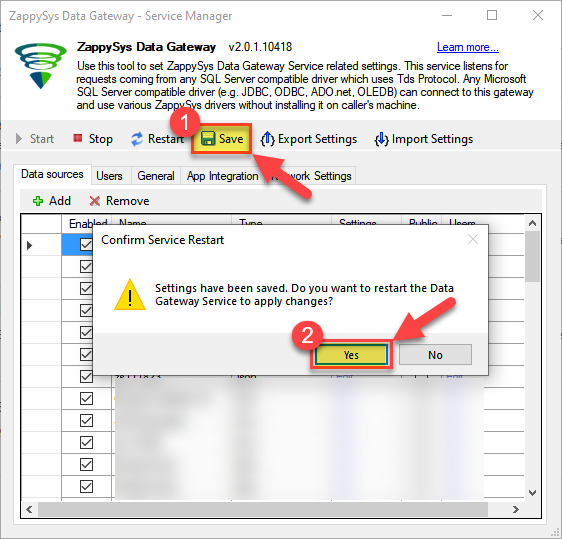 Skipping this step may cause the new settings to fail, preventing you from connecting to the data source.
Create ODBC data source to connect to the gateway
In this part we will create an ODBC data source to connect to the ZappySys Data Gateway from Excel. To achieve that, let's perform these steps:
-
Search for
odbcand open the ODBC Data Sources (64-bit):
-
Create a User data source (User DSN) based on the ODBC Driver 17 for SQL Server driver:
ODBC Driver 17 for SQL Server
If you don't see the ODBC Driver 17 for SQL Server driver in the list, choose a similar version. -
Then set a Name for the data source (e.g.
Gateway) and the address of the Data Gateway:ZappySysGatewayDSNlocalhost,5000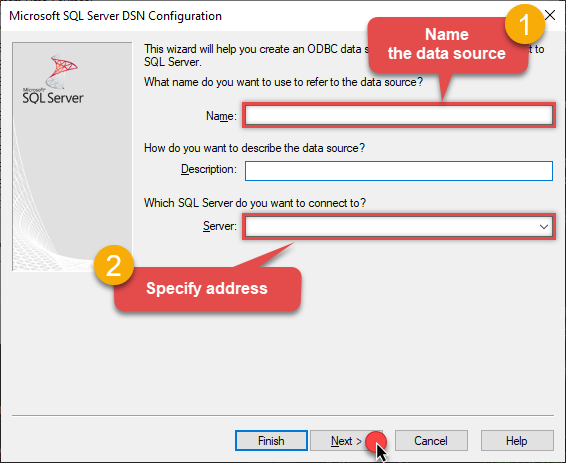 Make sure you separate the hostname and port with a comma, e.g.
localhost,5000. -
Proceed with the authentication part:
- Select SQL Server authentication
-
In the Login ID field enter the user name you created in the Data Gateway, e.g.,
john - Set Password to the one you configured in the Data Gateway
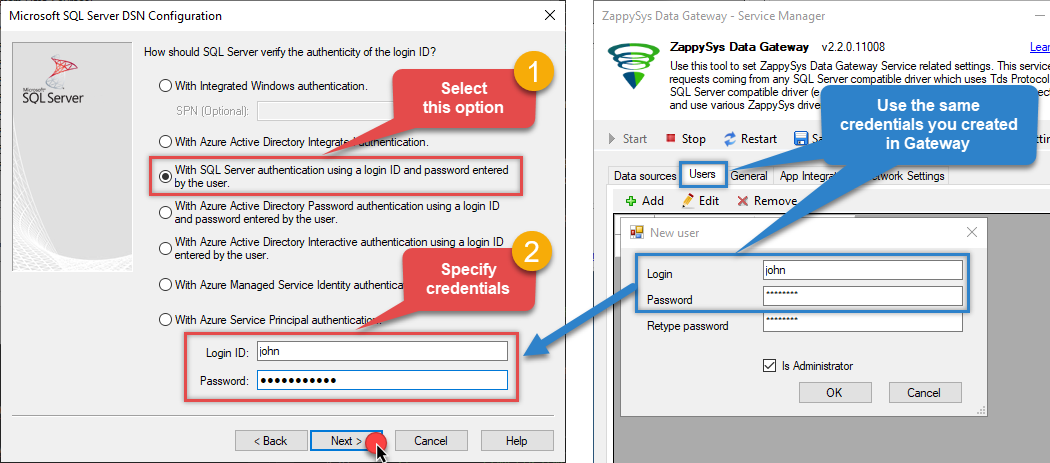
-
Then set the default database property to
FtpSftpJsonFileDSN(the one we used in the Data Gateway):FtpSftpJsonFileDSNFtpSftpJsonFileDSN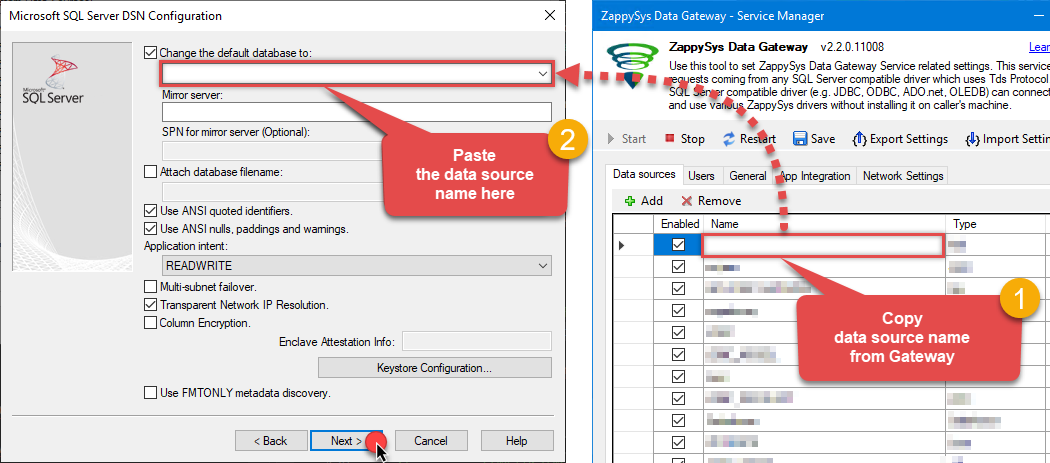 Make sure to type the data source name manually or copy/paste it directly into the field. Using the dropdown might fail because the Trust server certificate option is not enabled yet (next step).
 -
Continue by checking the Trust server certificate option:
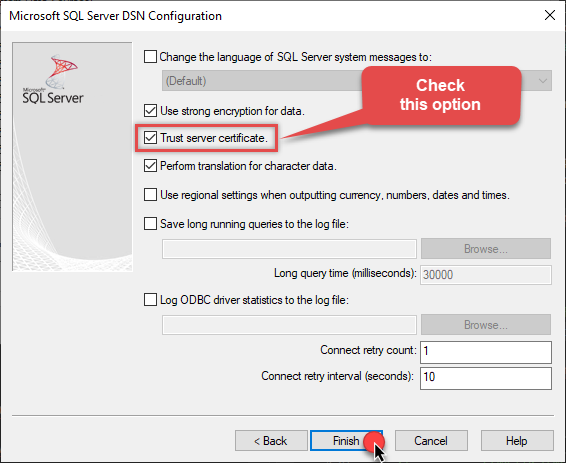
-
Once you do that, test the connection:
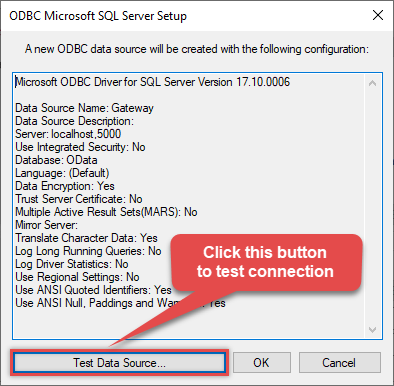
-
If the connection is successful, everything is good:
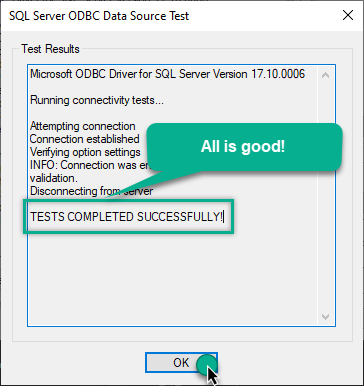
-
Done!
We are ready to move to the final step. Let's do it!
Access data in Excel via the gateway
Finally, we are ready to read data from FTP/SFTP JSON File in Excel via the Data Gateway. Follow these final steps:
-
Go back to Excel.
-
In Excel click Data, then select Get Data, proceed with From Other Sources and choose From ODBC item. This will get data from ODBC data source we created:
-
A small window opens, then simply select the data source you created in previous steps:
ZappySysGatewayDSN
-
Read the data the same way we discussed at the beginning of this article.
-
That's it!
Now you can connect to FTP/SFTP JSON File data in Excel via the ZappySys Data Gateway.
john and your password.
Conclusion
In this guide, we demonstrated how to connect to FTP/SFTP JSON File in Excel and integrate your data — all without writing complex code.
Ready to get started? Download ODBC PowerPack now or ping us via chat if you still need help: